
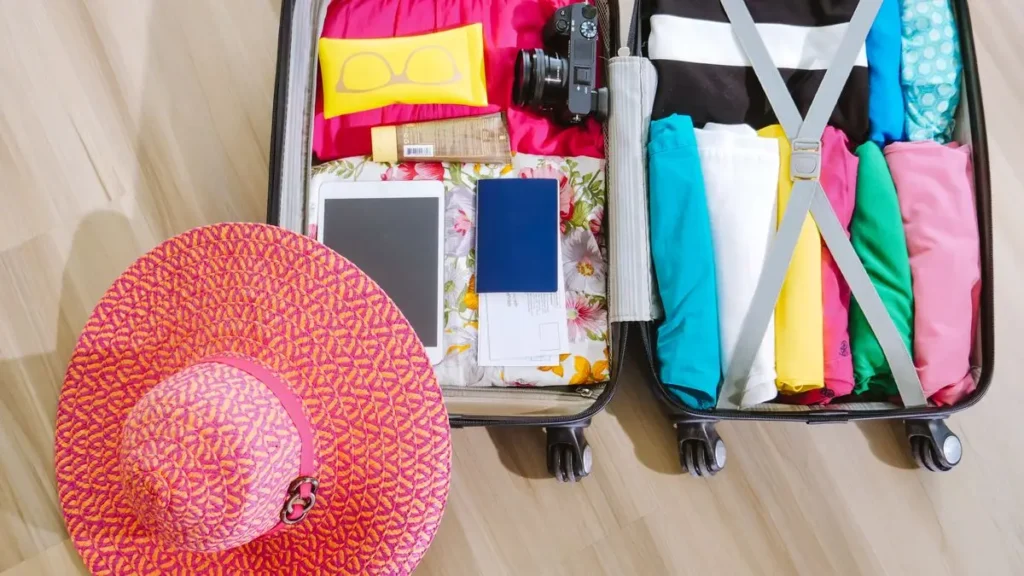
Packing for the hospital can feel like packing for a holiday, a sleepover, and a small earthquake all at once. Every hospital bag checklist online seems to have sixty items on it, and most of them just make you more stressed.
Take a breath. You need far less than you think. This simple checklist covers what you will really use — for you, for your baby, and for your partner — and what you can happily leave at home.
In This Guide
When to Pack Your Bag
Most parents pack around week 36. That gives you time to wash the baby’s clothes and find your phone charger without rushing. If your pregnancy has any extra risks, or you are having twins, week 32 to 34 is a safer bet.
If you are still in the middle months, our your second trimester checklist walks you through what to do week by week, so packing day does not come as a shock.
Keep the bag by the front door, or in the car, once it is done. Add a short list on top for last-minute things: phone, charger, keys, and your hospital notes. When the day comes, you just grab and go.

The Hospital Bag Checklist for Mom
This is the heart of your delivery bag list. Pack for comfort, not for photos. Labour is long, messy, and amazing, and you want clothes and bits that make it easier.
- Your hospital notes and birth plan — plus ID and insurance papers if you need them.
- A loose, old nightdress or big T-shirt to give birth in. Pick one you do not mind getting messy.
- A dressing gown and slippers for walking the ward, plus warm socks — feet get cold in labour.
- Clothes for after the birth: two soft sets of pajamas or loose clothes that open at the front for feeding, and a going-home outfit. Think comfort, not style.
- Underwear: several pairs of big, cheap pants, plus maternity pads. The hospital may give you some, but your own feel better.
- A feeding bra or two and breast pads, whether or not you plan to breastfeed.
- Wash bag basics: toothbrush, toothpaste, hair ties, lip balm, face wipes, and a small towel. Lip balm sounds tiny, but dry lips in labour are a real thing.
- Snacks and drinks for energy — cereal bars, dried fruit, and a water bottle with a straw. Eating well now helps you cope, just as it does with eating well during pregnancy in general.
- Phone and a long charging cable — hospital plugs are always in the oddest places.
- A small pillow from home if you sleep better with your own. Put a bright case on it so it does not get mixed up with hospital ones.
The NHS keeps its own list short and sensible too. You can compare with the NHS guide to packing your bag for labour if you want a second opinion before you zip the bag shut.
What to Pack for Your Baby
Baby things take up the least room and cause the most panic. Keep it simple. Your baby needs to be warm, fed, and in a clean nappy — that is nearly all.
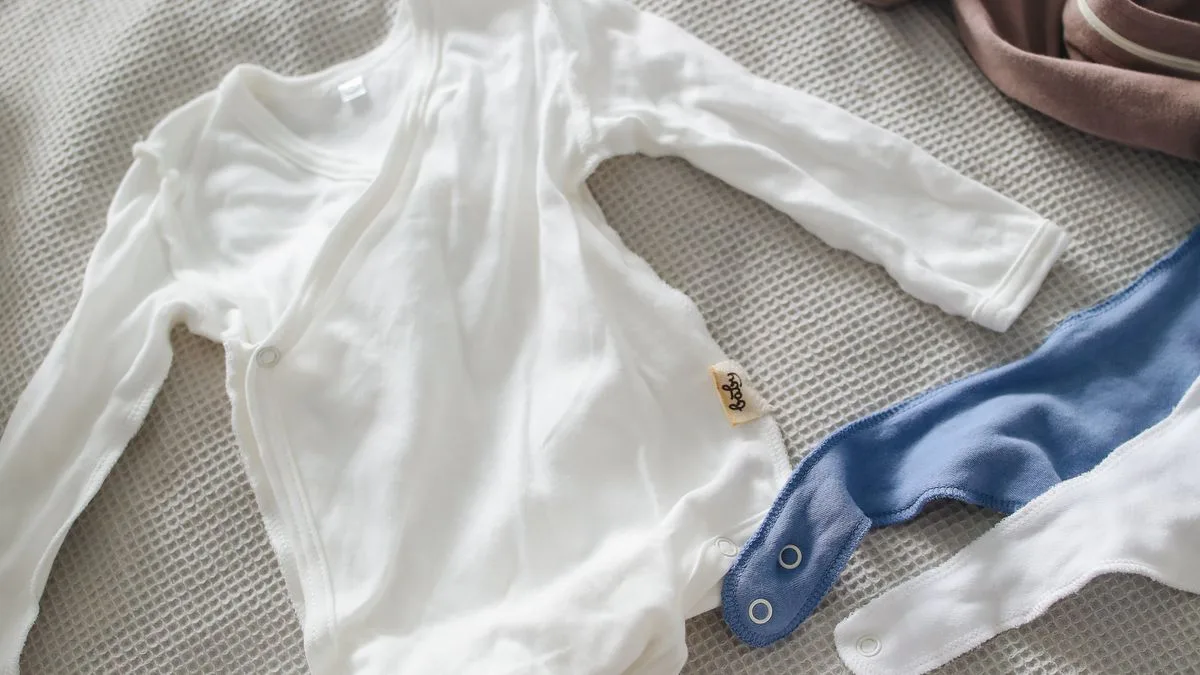
- Three or four vests and sleepsuits in newborn size, plus one in a slightly bigger size just in case.
- A hat and a cardigan for the trip home, even in summer. New babies lose heat fast.
- Nappies: about 10 to 12 for the first day or two, plus cotton wool or gentle wipes for cleaning.
- A soft blanket for cuddles and the journey home.
- Two muslin cloths — for milk spills, shoulders, and everything else.
- A car seat, fitted and ready. Most hospitals will not let baby travel home without one.
That really is enough. If you stay longer than planned, your partner can bring more from home. Hospitals are not on the moon.
One last tip: wash all the baby’s clothes before you pack them, with a gentle wash. New fabrics can feel rough on brand-new skin, and doing the laundry at week 34 is far easier than doing it at week 39 with a baby in your arms.

What Your Partner Should Bring
Partners often get forgotten in the packing, then spend a long night hungry in an uncomfy chair. A small bag for them makes a big difference. They are your memory, your snack-fetcher, and your voice when you are too busy to talk — a fed and rested partner is worth their weight in gold on the big day.
- A change of clothes and a toothbrush — labours can last a long time.
- Snacks, drinks, and coins or a card for the vending machine and parking.
- A phone charger and the camera, if you want photos.
- A list of who to call or text with the happy news.
- Any medicines they take daily. The focus is on you, but a partner with a headache helps no one.
What to Skip
A good hospital bag for mom is a light one. Here is what most parents pack, never use, and wish they had left behind:
- Tons of baby outfits. Two or three changes are plenty. Babies mostly sleep and feed.
- Your best clothes. The first days are about comfort and easy feeding, not looking neat.
- Lots of makeup and hair tools. A hair tie and lip balm will do. You will not care about the rest.
- Valuable jewellery. Leave it at home where it is safe.
- A whole library. One book or a tablet is enough. Most of your time will be spent gazing at your baby anyway.
- Towels and bedding. The hospital provides these. Save the space.
Frequently Asked Questions
When should I pack my hospital bag?
Around week 36 works well for most parents. Pack earlier — week 32 to 34 — if you are having twins or your midwife has said your baby may come early.
How many bags should I take?
One bag for you, one small bag for the baby, and one for your partner is plenty. Some parents pack one bag for labour and leave a second bag in the car for after the birth.
What if I forget something important?
Do not panic. Hospitals have the basics, shops are nearby, and your partner can do a quick trip home. The only true must-haves are your notes, your phone, and a car seat for the way home.
What should I wear during labour?
Something loose, cool, and easy to take on and off — an old nightdress or a big T-shirt is perfect. You will likely get hot, and you may end up in a hospital gown anyway.
Do I need to bring nappies and pads?
Yes, bring your own to be safe. Pack around a dozen newborn nappies and a pack of maternity pads. Some hospitals hand these out, but supplies vary.
Packed, Zipped, and Calm
A bag by the door is one less thing to think about on the big day. Keep this hospital bag checklist close, pack once around week 36, and then try to forget about it. When labour starts, you can simply grab the bag, hold your partner’s hand, and go and meet your baby.


Leave a Reply