

It is Sunday evening. Tomorrow is nursery, Tuesday is nursery too, Wednesday is grandma’s house, Thursday is nursery again, and Friday is a day at home — or is Friday the swimming day? Your preschooler asks, “What are we doing tomorrow?” and you answer, and then they ask again, five minutes later, because the answer was made of words, and words disappear as soon as they are said. A picture stays where a child can look at it again.
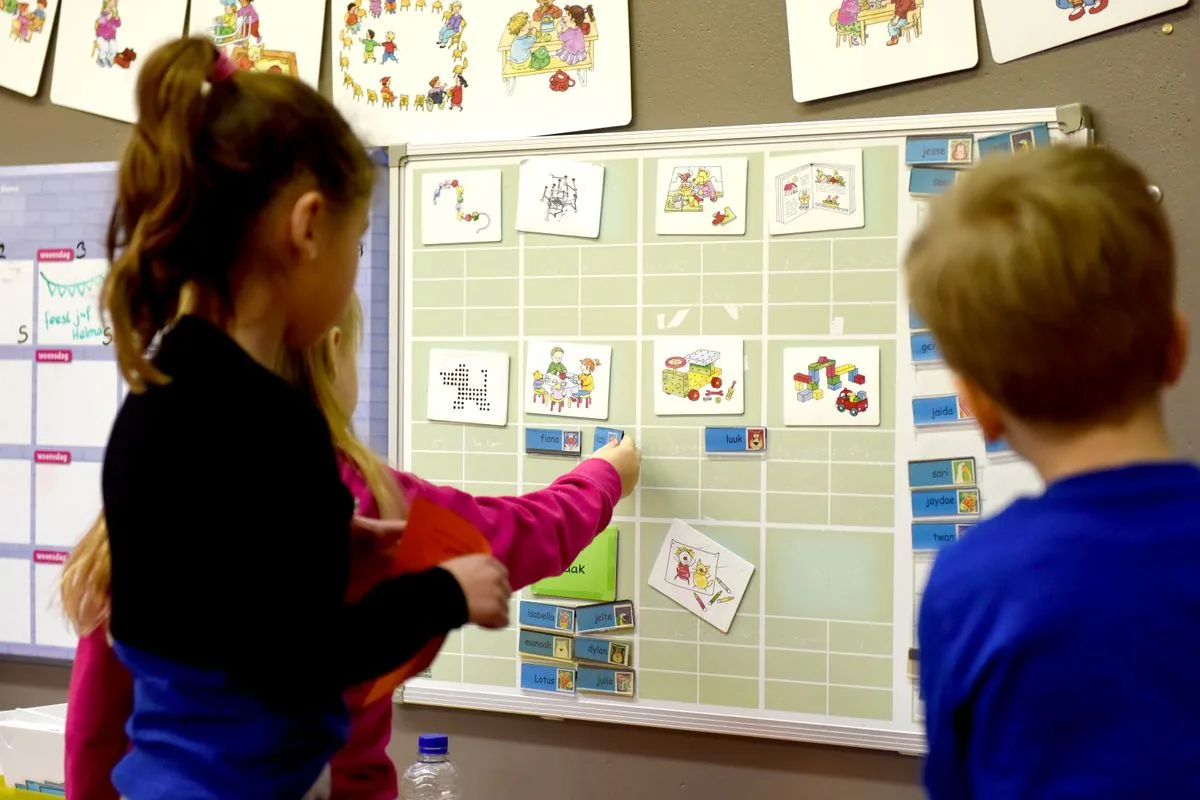
That is the whole idea behind a weekly board. Seven small pictures in a row, at your child’s eye level, showing what each day holds. This visual weekly schedule for preschoolers at home gives them that picture: Monday is nursery, Wednesday is grandma, Saturday is the park. They can see it, point at it, and check it themselves, without asking you ten times. It takes one afternoon to build, and it keeps working every week after that.
Why Seeing the Week Works
A preschooler lives in today. Yesterday is fuzzy, tomorrow is a guess, and next week might as well be next year. That is normal for a three or four year old. They cannot hold a whole week in their head, so every change feels like a surprise — and surprises, even good ones, can make a small child wobbly. A swimming lesson sprung on them at breakfast feels very different from a swimming picture they saw on the board all week.
A board fixes that by making time visible. The child does not need to remember anything. They look at the row, find today, and see what comes next. The morning goes smoother because the child already knows it is a nursery day. The evening goes smoother because the child can see that the park is coming on Saturday, so there is no need to ask for it now. The board does the reminding, so you do not have to.
It also gives your child a small piece of control. They cannot choose whether it is a nursery day, but they can move the “today” marker, turn over a finished day, or point to the picture of the thing they are waiting for. That tiny bit of control is often enough to turn a protest into a plan. Head Start’s visual schedule guide puts it simply: a visual schedule shows the order of events through pictures, so children know what they should be doing and when — and it helps them take part with more independence.
What Goes on the Board
Keep it simple. A weekly board is not a diary and it is not a timetable with clock times. It is seven days, each with one or two pictures that say what matters most that day. If a day has too many pictures, the child stops looking. If it has one clear picture, they understand it at a glance.
Start with the bones of your week — the things that repeat. Nursery days, work days, grandma days, swimming, the park, the library. Then add the one thing that makes each day different: Tuesday is nursery and library books go back; Friday is home and the washing machine runs. A visual weekly schedule for preschoolers at home works best when each day has a main picture and, at most, one small extra picture underneath it.
Use real photos where you can. A photo of your child’s own nursery gate means more than a drawing of a school. A photo of grandma’s front door means more than a drawing of a house. For the things you cannot photograph — swimming, the park, the dentist — a simple drawing or a picture cut from a magazine works just as well, as long as your child helped choose it. When a child picks the picture, they remember what it means.
A Sample Week to Copy
Here is a week many families will recognise. Copy the shape of it, then swap in your own days. The morning strip stays the same every day; only the day picture changes.
| Day | Main picture | What it means |
|---|---|---|
| Monday | Nursery gate | Nursery day. Bag by the door, water bottle in. |
| Tuesday | Nursery gate + book | Nursery day. Library books go back today. |
| Wednesday | Grandma’s house | Grandma’s house. No nursery bag, but bring the drawing. |
| Thursday | Nursery gate + water | Nursery day. Swimming after nursery — towel in the bag. |
| Friday | Home + washing | Home day. Slow morning, washing, and baking. |
| Saturday | Park + swings | Park morning. Then lunch at home and quiet time. |
| Sunday | Family + bed | Family day. In the evening, we build next week’s board together. |
Notice what the table does not have: times. A preschooler cannot read “10:30” and does not need to. Order is enough — first this, then that. The board shows the order of the days, and the morning strip below it shows the order inside each day.
Build It in One Afternoon
You do not need to buy anything special. A piece of card, seven pegs or a strip of sticky tack, and the pictures are enough. Sit down with your child on a Sunday afternoon, when there is no rush, and build the first board together. The building is part of the teaching: a child who helped make the board trusts the board.
First, pick the board. A cork board, a fridge door, a washing line strung across the kitchen wall, or a big sheet of card on the wall all work. What matters is that it is at your child’s eye level and somewhere they pass every day — the hallway, the kitchen, or the bedroom door. A board hidden in a cupboard is a board nobody looks at.
Second, make the pictures. Photograph the real things: the nursery gate, grandma’s door, the park swings, the swimming pool, the library. Print them small, about the size of a playing card, and back them with card so little hands can hold them. For a three year old, a photo beats a drawing every time. For a five year old, let them draw the picture themselves — their drawing of the park is the picture they will remember.
Third, add a “today” marker. A wooden peg, a star on a string, or a small arrow that moves along the row. Every morning, your child moves the marker to today. That one small job teaches the whole idea: today is this picture, and the pictures after it are still to come. It also gives you a natural moment to talk about the day while you are still calm, before shoes and coats take over.
Fourth, teach it the way you would teach a game. On the first morning, walk to the board together. “Today is Monday. Look — nursery gate. So we need the bag.” Do the same the next morning, and the next. After a week, most children start going to the board on their own. After a month, they will correct you if you put a picture in the wrong place — and that is exactly the point.
The Morning Strip: The Same Pictures Every Day
Under the seven days, add a short row that never changes: the morning strip. Five or six pictures, always in the same order — toilet, clothes, breakfast, teeth, shoes, coat and bag. Your child does not need to read the week to use the morning strip. They just follow the pictures from left to right, and when they reach the end, they are ready to go.
The morning strip is where the board earns its keep on hard days. Instead of calling out six instructions from the kitchen, you point at the strip. “What comes after breakfast?” The child looks, finds the toothbrush picture, and goes. It is slower than doing it for them, and it is the whole point: the child is learning to run their own morning, one picture at a time. Our toddler morning routine chart gives you the same strip as a printable, with picture steps your child can follow on their own.
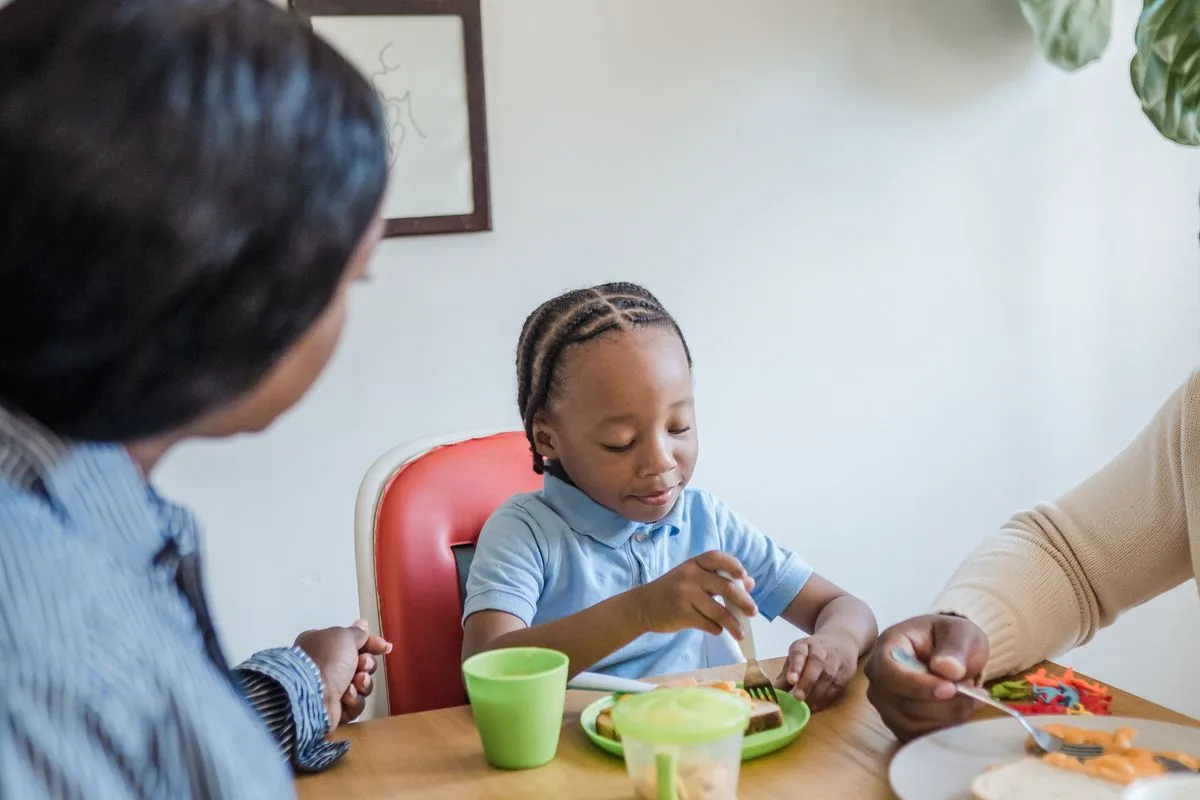
Keep the strip short. Six pictures is plenty for a three year old. A four year old can manage seven. If the strip is too long, the child gives up halfway and you are back to calling instructions. If a step keeps getting skipped — shoes, usually — move its picture to the front of the strip for a week, or let the child draw that picture themselves. The picture they drew is the one they remember.
By Age: What Changes at 3, 4 and 5
A three year old needs the board to be small and close. Three or four days is enough to start with — today, tomorrow, and the fun day they are waiting for. Put the board low, use big photos, and do the moving of the “today” marker together every morning. At three, the board is mostly about one question: “Is it nursery today?” Answer that question with a picture, and the rest of the day gets easier.
A four year old can hold a whole week. Seven days, one picture each, and the child can tell you what is happening on Thursday without looking. This is also the age to add small choices to the board: two pictures for the same day, and the child picks one. Two outfits on Tuesday, two snacks for the park, two books for bedtime. A toddler bedtime routine chart works the same way in the evening — a short strip of pictures that ends with sleep, so the end of the day is as visible as the start.
A five year old can help build the board and keep it. Let them write the day names, or draw the pictures, or decide where the swimming picture goes. They can also start using the board to plan: “On Saturday, can we put the park first and the shops after?” Say yes when you can. A child who plans their week with you is a child who trusts the plan — and a child who trusts the plan argues with it less.

Nursery Days, Weekends and Special Days
Nursery days are the easiest days to picture, because they repeat. Weekends are harder, because they change — and that is why they belong on the board too. A Saturday with no picture on it is a Saturday full of “Can we go to the park now?” Put the park picture on Saturday, and the question answers itself. Our weekend family rhythm shows how a slow Saturday morning and a simple afternoon plan can carry the whole weekend.
Special days get a special picture, made in advance. A birthday, a visitor, a trip to the dentist, a nursery trip — one bright picture, stuck on the right day, a few days early. The child sees it coming and gets used to the idea before the day arrives. That is the board doing its quietest, best work: no surprises.
When a special day passes, take its picture down together and put the normal picture back. The board going back to normal is part of the lesson too: the week keeps turning, and the next fun day is already on the row.

When the Week Changes
Weeks change. A nursery closes for a day, a grandparent is ill, a trip comes up, the weather cancels the park. When that happens, change the board in front of your child, and say what you are doing. “The park picture is coming down today because it is raining. Look — the park moves to Saturday.” The child sees the change happen, and the board stays honest. A board that is wrong is worse than no board at all, because the child stops believing it.
Do not rebuild the whole board every time something changes. Move one picture. That is enough. And if a whole week falls apart — a holiday, a move, a new baby — put the board away for a week and start again when life settles. The board is a tool, not a test.
Two Children, One Board
If you have two preschoolers, you do not need two boards. You need one board with two rows — one row for each child — or one shared row with a small coloured dot on each picture to show whose day it is. The shared days stay shared: both children go to nursery on Monday, both go to grandma on Wednesday. The different days get their own picture in their own row, so each child can find their own week without getting lost in their sibling’s.
A visual weekly schedule for preschoolers at home still works when the children are different ages. The three year old uses the pictures; the five year old uses the pictures and the day names underneath them. Give the older child the job of moving the marker for both of them in the morning. Younger children love being shown the day by an older sibling, and older children love being the one who knows. That small morning job also stops the most common argument about a shared board: whose turn it is to touch it.
Keep the rows the same length and the same height, so neither child feels their week is smaller. And when the two rows disagree — one child has swimming while the other stays home — say so plainly, in front of the board. “Look: Tuesday is swimming for you, and home for your brother. You both have a picture.” Children accept different days far more easily when they can see the difference, instead of only hearing about it.
The Sunday Reset: Ten Minutes That Keep It Working
The board only works if someone keeps it true. Pick ten minutes on Sunday evening — after the child is in bed, or with them if they are still up — and reset the week. Move the “today” marker back to Monday. Swap out last week’s special pictures. Check that the morning strip still matches what actually happens. This is the same kind of small Sunday job as our night-before prep checklist: a few minutes the night before, so the morning starts calm.
Let the child own the reset as they get older. A five year old can move the marker, stick up the new pictures, and tell you what is happening on Wednesday. That is not a chore you are giving them. It is the week, in their hands.
If you keep the board going for a month, you will notice something else: the evenings get easier too. A child who can see that tomorrow is nursery can also see that tonight is bath, story and bed. The evening has a shape, just like the morning. Our family evening routine shows how those last two hours can run the same way — the same order, every night, so nobody has to argue about what comes next.
Frequently Asked Questions
What if my child ignores the board?
That is normal for the first week. A board is not a screen; it will not grab their attention on its own. Keep walking to it together each morning, keep moving the marker together, and keep the pictures big and real. Most children start using it on their own in the second week, once they realise it answers their questions before they ask them.
Should the board show clock times?
No. Preschoolers cannot read a clock, and times make the board feel like a timetable. Order is enough: first this, then that. If you need times for yourself, write them on the back of the cards, where only you can see them.
What if our week changes every week?
Then the board matters even more — but keep it shorter. Three or four days, not seven, and rebuild it every Sunday. A board that is true for three days beats a board that is wrong for seven.
Can I use a phone or tablet instead of a wall board?
You can, but a wall board works better for this age. A phone screen goes dark and gets put away; a board stays where the child can see it, point at it, and check it without asking you. If you do use a screen, keep the same pictures in the same order every day, and let the child tap through them with you.
My child wants the same picture every day. Is that a problem?
No — it is a clue. The picture they want every day is the thing they love most, and the board is showing you what matters to them. Let them keep a small copy of that picture on the board, even on days when it does not happen. Wanting the park every day is not a problem to fix. It is a child telling you what makes their week good.
A weekly board will not fix every morning. Some mornings are still hard, and some weeks still fall apart. But a child who can see what comes next asks fewer questions, argues less about the plan, and walks into the day knowing what it holds. This visual weekly schedule for preschoolers at home is not a project to finish and forget. It is a picture on the wall that your child checks every morning — and a small, steady way of saying: here is your week, and you can see it for yourself. f mornings are the hard part, our guide to getting dressed without a battle shows how two small choices can end the struggle before it starts.
This article shares general information for parents, not professional advice. If your child is supported by a teacher, nursery worker or other professional, follow their approach and use the same words at home.


Leave a Reply