

Five o’clock hits, and the house goes a bit wild. The kids are tired and hungry. You are tired and hungry too. Dinner needs cooking, someone is crying, and bedtime feels very far away. This is the hour where a family evening routine makes all the difference.
A simple routine can change all of that. It is not a strict timetable with alarms and rules. It is just the same few steps, in the same order, every night. Kids calm down when they know what comes next. And so do we.
In This Guide
Why Evenings Feel So Hard
By late afternoon, your child has used up most of their energy and patience. They have played, learned, waited, and shared all day. Their little cup is empty.
You are in the same boat. You are trying to cook, tidy, and answer a hundred questions at once. It is no wonder the hours before bed can feel like the hardest part of the day.
The good news is that kids do not need a perfect evening. They just need a pattern they can trust. When the same steps happen in the same order, your child stops guessing and starts to relax. Fewer surprises means fewer meltdowns, for them and for you.

A Family Evening Routine, Step by Step
Here is a simple order that works for many families with toddlers and preschoolers. You do not need to copy the times. Just keep the order the same each night, and let the clock be loose.
1. Dinner at Roughly the Same Time
Food first. Hungry kids cannot cope with much else. Sit down together if you can, even if it is only for fifteen minutes. Phones away, telly off. It does not need to be fancy. Pasta and peas eaten together beat a perfect meal eaten in chaos.
2. Calm Play After Dinner
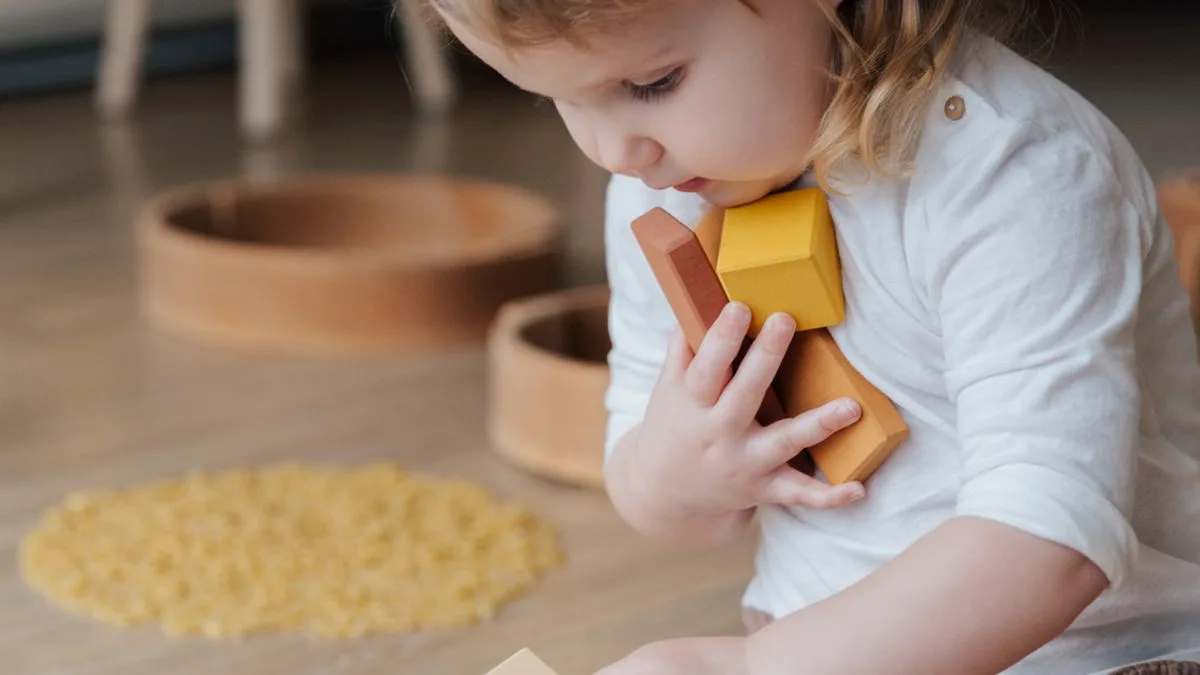
After food, keep play gentle. Blocks, puzzles, drawing, or a slow walk around the block all work well. Rough and wild games are great fun, but save them for the morning. Wild play now can undo all your hard work.
3. A Quick Tidy-Up Together
Put on a song and tidy up until it ends. Two or three minutes is enough. Toddlers love to help if it feels like a game. A calmer room helps everyone feel calmer too.
4. Bath, Pajamas, and Teeth
A warm bath is a strong signal that the day is ending. Then pajamas, then teeth. The AAP keeps this part very simple with the AAP’s Brush, Book, Bed nighttime routine: brush the teeth, read a book, then bed. Three small steps, in the same order, every night.
5. A Story and Lights Out
End with one or two short books, a cuddle, and a goodnight phrase you use every night. Something like “Night night, sleep tight, see you in the morning.” Say it the same way each time. These last calm minutes are the part kids remember.
If you also have a baby in the house, nap and feed times can push your evenings around a bit. Our guide to baby sleep schedules by month can help you line the two routines up.
The After-Dinner Routine: Small Steps That Help
The bit between dinner and bath is where many evenings fall apart. Kids get a second burst of energy, and parents get a second pile of jobs. A loose after-dinner routine keeps this gap from turning into screen time and squabbles.
Try giving each part of the evening a name. “After dinner we have play time. Then bath time. Then story time.” Young kids love named steps. They will start to remind you what comes next, which is half the battle won.
A picture chart can help a lot here. Draw or print the steps — dinner, play, bath, book, bed — and let your child move a peg or sticker along as you go. You will find simple charts in our free printables library that you can stick on the fridge tonight.
Keep the whole evening gentle on lights and noise as bedtime gets close. Dim the lamps, lower your voice a little, and slow your own steps down. Kids copy our pace more than our words.

Simple Tips for Nights That Go Off Track
Some nights will still go wrong. A late dinner, a skipped nap, or a grumpy mood can blow up the best plan. That is normal life with small kids, not a failed routine.
- Shorten, do not skip. If you are home late, do a tiny version: quick wash instead of a bath, one short book instead of two. The order stays the same, just smaller.
- Warn before changes. “Five more minutes of play, then bath.” A small warning saves a big protest.
- Feed the hunger first. Many evening tears are just hunger. A small snack can rescue the whole night.
- Let weekends bend a little. A later bedtime on Saturday is fine. Just slide back to the usual order on Sunday.
- Look after yourself too. Eat. Sit down for five minutes. A calm parent is the biggest part of a calm evening.
Give a new routine a fair chance. Most kids need about a week of the same steps before the evenings start to feel easier. Stick with the order, keep it kind, and let it be boring. Boring is good at bedtime.
One more thing that helps: tell your child the shape of the evening early in the day. “Tonight is bath night, and we are having pasta.” Kids who know what is coming tend to roll with the plan much better when it comes.

Frequently Asked Questions
What time should our evening routine start?
Work back from bedtime. If lights out is at 7:30, start dinner around 5:30 and bath around 6:45. The exact times matter far less than keeping the same order each night.
How long should the routine take?
From dinner to lights out, about two hours suits most young kids. The bedtime part alone — bath, pajamas, teeth, story — usually takes 30 to 45 minutes.
What if my child fights every step?
Keep the steps the same but add small choices. “Bath now or in five minutes?” “The red pajamas or the blue ones?” Choices inside the routine give your child some control, which often ends the fight.
Does the routine need to be the same on weekends?
Mostly, yes, but it can be softer. Keep the order the same and let the times slide a little. Kids cope well with small changes when the pattern stays familiar.
What about nights when we get home late?
Do a short version and do not stress. A quick wash, teeth, one short book, and bed. One late night will not undo a good routine.
A Calmer End to the Day
You do not need a perfect plan or a strict clock. A steady family evening routine — food, gentle play, bath, book, bed — gives your child the calm, safe end to the day they need, and gives you your evening back. If you would like weekends to feel this calm too, have a look at a relaxed weekend family rhythm and build the same gentle pattern there. Our toddler morning routine chart shows the same idea for the start of the day, with pictures your child can follow.


Leave a Reply