This article is for general information only and is not medical advice. If you are worried about your health or your child’s health, please talk to your doctor, midwife or health visitor.
Eating for two sounds fun until the advice starts flying. One person says eat more of this. Another says never touch that. Soon every meal feels like a test you might fail. Good pregnancy nutrition is much simpler than the noise suggests: eat a wide mix of normal, fresh food, take a couple of key vitamins, and skip a short list of risky items. That really is most of it.
This guide keeps things calm and clear: what to eat during pregnancy, what to limit, and easy meal ideas for the days when you are tired, sick of cooking, or both.
In This Guide
Pregnancy Nutrition Basics: The Nutrients That Matter Most
You do not need a special pregnancy diet with rare foods and strict rules. You need the same healthy base as always, with a little extra care on a few nutrients:
- Folate (folic acid). This helps your baby’s brain and spine grow in the early weeks. Find it in leafy greens, beans, lentils and fortified cereals. Most mums are also advised to take a folic acid tablet in the first weeks.
- Iron. Your blood volume grows a lot, and iron helps you keep up. Red meat, lentils, beans and spinach all help, and vitamin C from fruit helps your body use the iron.
- Calcium. For bones and teeth, yours and the baby’s. Milk, yoghurt, cheese and fortified plant drinks are easy sources.
- Protein. Eggs, chicken, fish, beans, nuts and dairy all count. Aim to have some at each meal.
- Vitamin D. Hard to get from food alone, so many mums take a daily tablet all through pregnancy.
- Water. Plain and simple. Keep a bottle near you and sip through the day.
For the full official picture, including vitamin doses, the NHS guide to a healthy diet in pregnancy is clear and trusted. And because food is only one part of this stage, our the second trimester checklist walks you through the rest of these middle months step by step.
Foods to Eat Often During Pregnancy
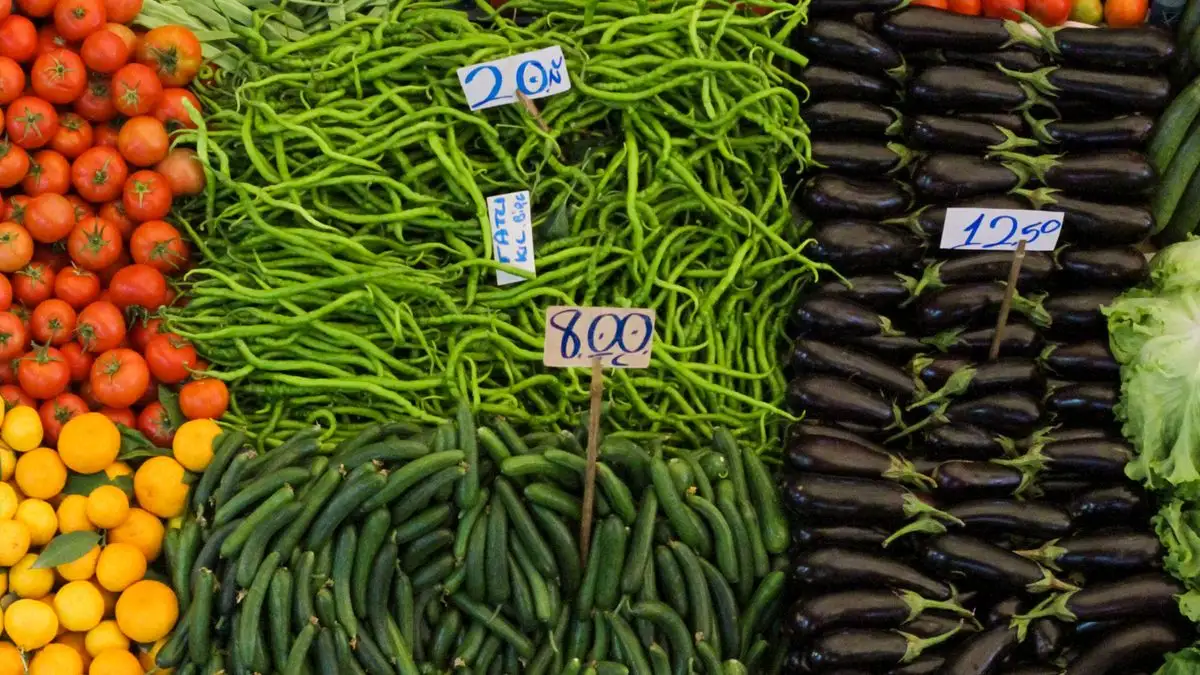
Think in colours and in handfuls, not in grams and charts. A week of eating that covers these bases will serve you and your baby well:
- Plenty of fruit and vegetables, fresh or frozen, washed well.
- Whole grains like oats, brown rice, wholemeal bread and pasta.
- Fish once or twice a week, including one oily fish like salmon or sardines.
- Beans, lentils and chickpeas, cheap and full of iron and fibre.
- Dairy or fortified swaps each day, for calcium.
- Healthy snacks close at hand, so you are never running on empty.
You also do not need to “eat for two.” Your baby takes what it needs from you. Most mums need no extra food at all until the last three months, and even then it is only about a small snack’s worth.
Foods to Limit or Skip
The foods to avoid in pregnancy list is shorter than most people fear. These are the main ones health services name:
- Alcohol. The safest choice is none at all while you are pregnant.
- Raw or undercooked meat and eggs. Cook meat well, and cook eggs until the whites and yolks are firm.
- Unpasteurised milk and soft mould-ripened cheeses like brie and camembert, unless cooked until steaming hot.
- Liver and high-dose vitamin A tablets. Too much vitamin A can harm a growing baby.
- Certain fish. Skip shark, swordfish and marlin. Keep tuna to a few portions a week.
- Caffeine. Keep caffeinated drinks modest, and remember tea, cola and chocolate have caffeine too.
Everything else that is normal, fresh and well cooked is fine. Peanuts are fine unless you have an allergy yourself. Well-cooked eggs are fine. Takeaway now and then is fine. This is real life, not an exam.

Simple Meal and Snack Ideas
Healthy pregnancy meals do not need fancy recipes or a big shop. Here is a day of plain, kind food that covers the bases:
- Breakfast: porridge with berries and a spoon of nut butter, or eggs on wholemeal toast.
- Lunch: lentil soup with bread, or a chicken and salad wrap with a piece of fruit.
- Dinner: baked salmon, rice and greens, or a bean chilli with yoghurt on top.
- Snacks: yoghurt, a handful of nuts, cheese and crackers, fruit, or a small bowl of fortified cereal.
Eating well on a tired day might just be toast, soup and an orange. That still counts. Be kind to yourself, eat what stays down, and save your energy. By the way, a few snacks you truly love earn a spot in your birth plan too. They belong on the list when you are packing your hospital bag.

Cravings, Hunger and Food Worries
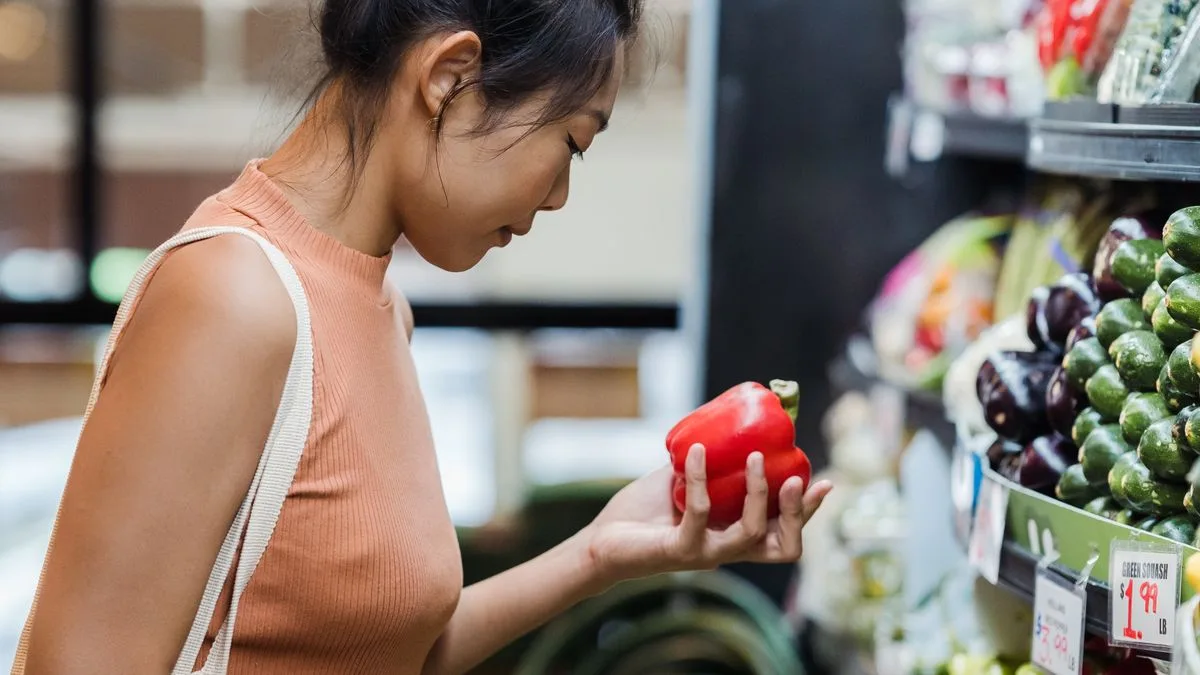
Almost every mum finds her tastes change. Food you loved can turn your stomach, and odd things can suddenly seem like the best idea in the world. Pickles for breakfast? You are in good company.
Normal cravings for normal food are fine to give in to. If you crave things that are not food at all, like soil, chalk or raw rice, tell your midwife. That pattern has a name, it is more common than you would think, and it can link to low iron, which is simple to check and simple to treat.
Hunger can also swing wildly. Some days you could eat all day long. Other days, three bites feel like a feast. Both are common. Keep small snacks in your bag, eat little and often on the hungry days, and do not force big meals on the off days. Your body knows what it is doing, most of the time.
Frequently Asked Questions
Do I really not need to eat for two?
That is right. Your body is very good at feeding the baby from what you eat and store. Most mums need no extra food until the last three months, and then only a little.
Which vitamins should I take?
Folic acid in the early months and vitamin D all through pregnancy are the two named most often. Your midwife can tell you the right doses for you at your first visit.
Is coffee okay?
A little is fine, kept modest. Remember that tea, cola, energy drinks and chocolate count too.
I feel sick all the time. How do I eat well?
Small, plain meals often work better than three big ones. Dry toast, crackers, cold foods with little smell and sips of ginger tea help many mums. Eat what you can, when you can.
What if I ate something on the skip list before I knew?
Do not panic. One meal is very unlikely to cause harm. Just follow the guidance from now on, and mention it to your midwife if you are still worried.
Keep It Simple, Keep It Kind
If you take one thing from this guide, let it be this: pregnancy nutrition is mostly ordinary healthy eating, plus a short skip list and a vitamin or two. You do not need to be perfect. A week of simple, varied, home food does the job beautifully.
Eat the colours, drink the water, take the vitamins, and let the guilt go. You are growing a whole person. That is quite enough work for one body.


Leave a Reply