
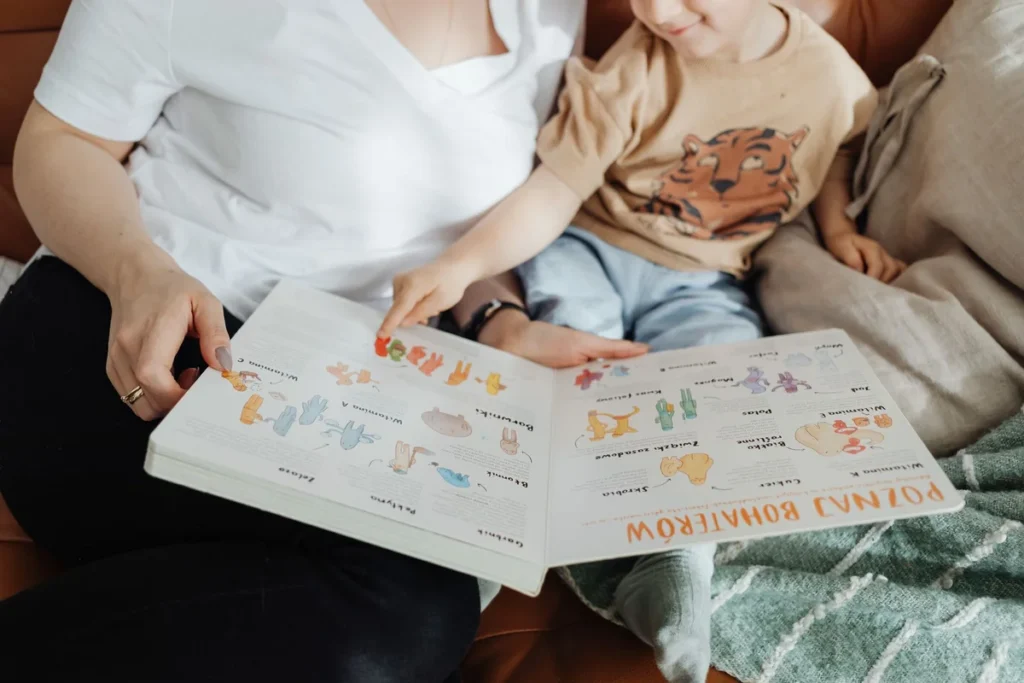
Your two-year-old points, grunts and pulls your hand towards what they want, while the child next door at nursery is already putting two words together. You wonder whether to worry, whether to wait, or whether you are comparing too much. Most parents of toddlers have had exactly this thought, usually at bath time or on the walk home from nursery. Talking develops at very different speeds, and a quiet toddler is not automatically a toddler in trouble. But there are real signs worth knowing, and knowing them early is what helps. This guide to signs of speech delay toddler by age when to worry will show you what most children can do at each age, which signs matter, what helps at home, and when to talk to your doctor.
Talking is only one part of communication. Long before words arrive, a toddler communicates by pointing, waving, nodding, bringing you a book, and looking at your face to check your reaction. A child who understands a lot, points clearly and tries to get your attention is communicating well even with few words. A child who rarely tries to communicate at all is a different picture, and that is often the more useful thing to watch. The ages below are a guide, not a test. Children develop at their own pace, and a child can be a little behind in one area and right on track everywhere else.
Late Talker or Speech Delay?
Parents often ask about late talker vs speech delay, and the two phrases do not mean the same thing. A late talker is a toddler who starts talking later than other children but is otherwise developing well: they understand what you say, they point and gesture, they play, and their words do arrive, just later. Many late talkers catch up by three or four, especially with plenty of talking, reading and play at home. A speech delay means a child’s talking is behind what is expected for their age in a way that needs a closer look, often because they understand less, use few gestures, or are not making progress over months.
You do not need to decide which one your child is. That is a doctor’s job, not a parent’s, and it cannot be decided from one afternoon of comparing children at the park. Your job is simpler: notice what your child can do, notice whether they are making progress, and ask for help if progress stalls or you feel worried. Doctors expect these questions, and asking early is never a waste of their time. The earlier a real delay is spotted, the earlier a child can get help, and early help works better than late help.
What Most Children Can Do, By Age
The chart below follows the CDC’s developmental milestone checklists, which describe what most children — about 75 in every 100 — can do by each age. Read it as a rough map. If your child does most of the things at their age, that is reassuring. If they do very few of them, or they used to do something and have stopped, that is worth a conversation with your doctor. The CDC’s developmental milestones page has the full checklists, and it is the one external link in this article because it is the official source for these ages.
| Age | Talking and understanding most children can do | What it looks like at home |
|---|---|---|
| 15 months | Tries to say one or two words besides “mama” and “dada”, like “ball” or “dog”; looks at a familiar object when you name it | You say “where is the ball?” and they look towards it, or try the word back |
| 18 months | Tries to say three or more words besides “mama” and “dada”; follows one-step directions without any gestures, like giving you a toy when you say “Give it to me” | You say “Give me the toy” and they hand it to you without you pointing |
| 2 years | Points to things in a book when you ask; says at least two words together, like “more milk”; points to at least two body parts when asked | They say “more juice” instead of just crying for it, and can show you their nose and toes |
| 30 months | Says about 50 words; says two or more words together, with one action word, like “doggie run”; names things in a book when you point and ask | You point at a picture and they name it, and their little sentences have a doing word in them |
| 3 years | Talks with you in conversation, with at least two back-and-forth exchanges; asks “who”, “what”, “where” or “why”; says their first name when asked | They can tell you what happened at nursery in short sentences, and ask you questions back |
Two things in that chart matter more than any single word count. The first is understanding: a child who understands “bring me your shoes” or “where is the dog?” is learning language even if they say little. The second is progress: a child who had ten words at eighteen months and has thirty at two years is moving forward, and that matters more than the exact number on any one day. How many words should a 2 year old say is one of the most searched questions parents ask, and the honest answer is that the number matters less than whether the number is growing and whether the child understands and tries to communicate.
Signs to Watch For
No single sign on its own means your child has a speech delay. What matters is a pattern, and whether it is changing. Watch for these signs across a few weeks rather than judging one bad day, and note them down if you plan to talk to your doctor — a short list is much more useful than a worried feeling you cannot describe. That is the practical side of signs of speech delay toddler by age when to worry: a short dated list beats a vague worry every time.
By 15 to 18 months, it is worth noting if your child does not try to say any words besides “mama” and “dada”, does not point to show you things, or does not look when you name a familiar object. By two years, the signs to note are: very few words, no two words together, and little understanding of simple instructions like “come here” or “give me the book”. By three years, note it if strangers can hardly understand your child at all, if they rarely ask questions, or if they mostly communicate by pulling your hand and crying rather than with words or gestures.
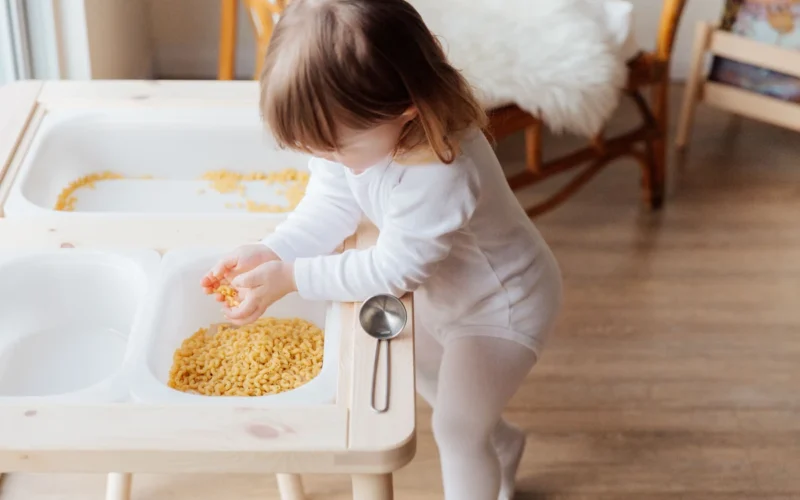
There are two signs that matter at any age and should always be mentioned to a doctor. The first is losing skills: a child who used to say words and has stopped, or who used to wave and point and no longer does. The second is a lack of interest in communicating: a child who rarely looks at faces, does not bring you things to show you, and does not seem to want to share what they see. These two signs are about more than talking, and a doctor will want to hear about them promptly. Our guide to sensory play ideas for toddlers at home is a gentle place to start if you want low-pressure play that gets a quiet toddler talking, because play is where most early words are practised.
What Helps at Home: Talk, Read, Sing, Repeat
The best help for a late talker is not a gadget or a flashcard set. It is you, talking a little more than usual, in the middle of ordinary life. Children learn words from people, not from screens, and a toddler learns fastest when the words are about what they are already looking at or doing. You do not need to set aside an hour for this. Ten minutes of real talk, several times a day, beats a long session that ends in tears.
Narrate what you are doing, in short sentences. “I am cutting the apple. Red apple. You want apple? Here is your apple.” It feels silly at first, and it works: your child hears the same words tied to the same things, over and over, which is exactly how words stick. When your child says a word wrong, do not correct them. Just say it back the right way, warmly: they say “nana”, you say “yes, banana! You want more banana?” That is teaching, and it keeps talking fun instead of turning it into a test.
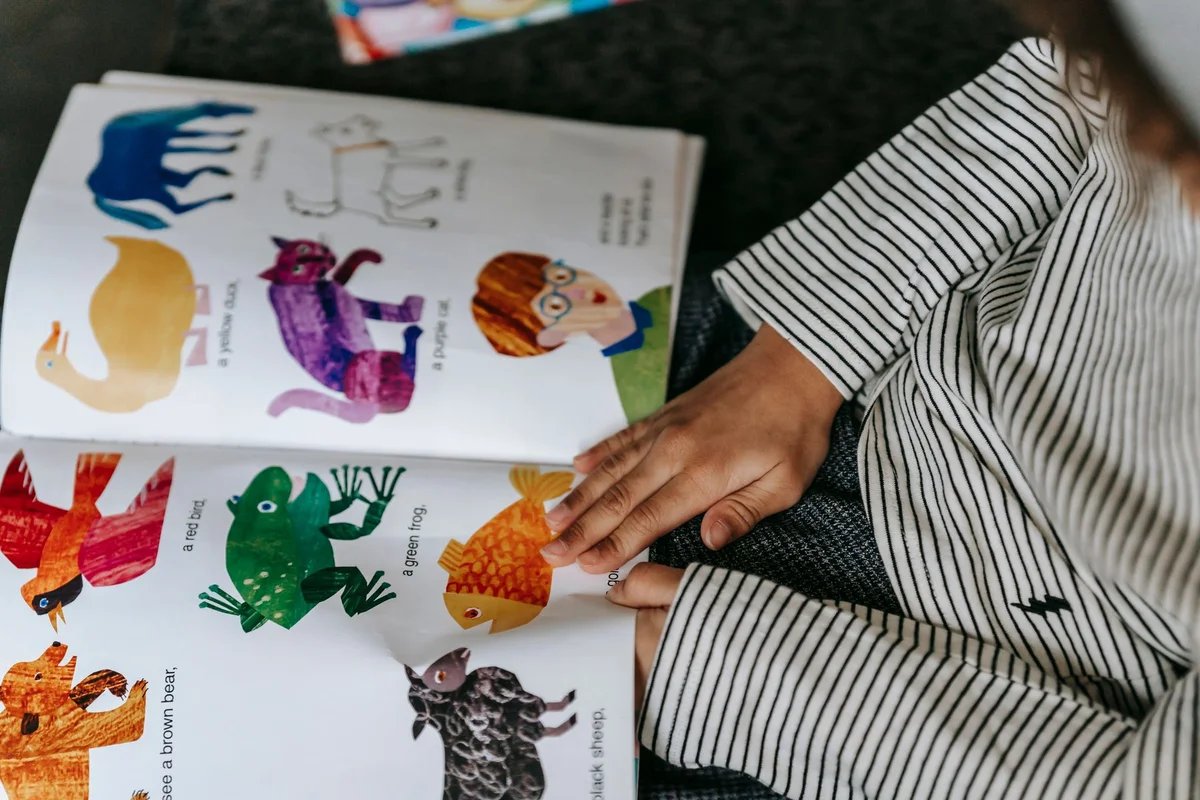
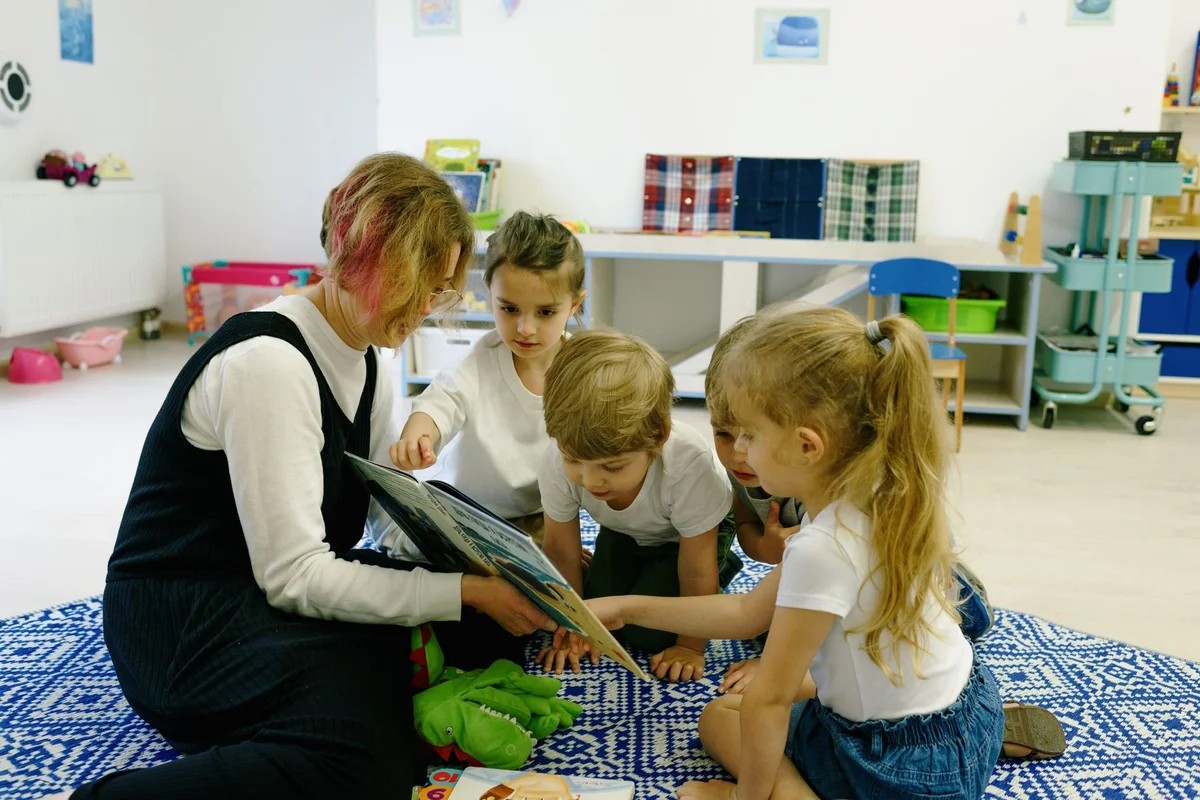
Reading together is the single easiest daily habit. You do not need to read the words on the page. Point at the pictures, name them, and ask your child to find them: “Where is the duck? Can you find the duck?” A picture book gives a toddler something to talk about, and the same book, read a hundred times, teaches new words every time. If you need calm, screen-free time to do it in, our 25 screen-free indoor activities for toddlers on cold days has plenty of quiet indoor ideas that leave room for talking together.
Give your child reasons to talk, and then wait. Hold the biscuit for a moment instead of handing it straight over, and wait for a word, a point, or a sound. Offer a choice: “apple or banana?” A choice needs an answer, and an answer is a word. Then wait a full five seconds — count them silently — because toddlers need longer than adults to find a word, and jumping in too fast teaches them that silence works better than trying. Singing helps too: songs repeat the same words with a tune, and many toddlers sing a word before they will say it.
What to Do — and What to Avoid
| Do | Don’t |
|---|---|
| Talk about what your child is looking at right now | Test them with flashcards or quiz them on words |
| Read the same picture book again and again | Put them in front of a screen and hope it teaches talking |
| Repeat their word back the right way, warmly | Correct every mistake or say “say it properly” |
| Offer choices so they need to answer | Answer for them before they have had time to try |
| Wait five seconds after a question | Compare them out loud with other children |
| Note down what they can do, and share it with your doctor | Wait a year to see if it sorts itself out when you are worried |
The screen row is worth a sentence of its own. Screens do not teach toddlers to talk, because a screen cannot listen, wait, or answer back. That does not mean an hour of a children’s programme ruins anything — but if talking is the worry, the hours spent talking with a real person are the ones that count. If you want ideas that replace screen time with talk time, our Christmas-themed learning activities for toddlers are full of naming, counting and matching games that give a toddler words to use.
When to Talk to Your Doctor
Most toddlers who talk late catch up, and most of the worry parents feel turns out to be just that: worry. But there is a clear line, and it is simple to remember — if you are worried, talk to your doctor. That is what doctors are for, and they would far rather see a child who turns out to be fine than miss a child who needed help. This is the heart of signs of speech delay toddler by age when to worry: the worry itself is a good enough reason to ask.
Be ready to tell the doctor three things: what your child can say and understand now, whether they are making progress over months, and whether they have lost any skill they once had. Bring your notes from the chart above. The doctor will usually check hearing first, because a child who cannot hear clearly cannot learn words clearly, and an ear problem is one of the most common and fixable reasons for late talking. They may also do a developmental check. The American Academy of Pediatrics recommends developmental screening at 9, 18 and 30 months, and screening for autism at 18 and 24 months, or whenever a parent or doctor has a concern — so these are check-ups your child may already be having, and they are a natural time to raise a worry about talking.
If the doctor thinks extra help would be useful, they will usually refer your child to a speech and language specialist for an assessment, and may also suggest your local early intervention service. You do not need to wait for a referral to do the things in this article: talking, reading, singing and waiting are the right help whatever the assessment says. And if the doctor says your child is fine, believe them, and keep doing the same things — you have still done the right thing by asking. The CDC explains CDC’s developmental milestones clearly, including what to do if your child is not meeting one or more milestones, and it is the official place to check the current checklists.
Frequently Asked Questions
How many words should a 2 year old say? There is no single number every two-year-old must reach. The CDC’s checklists describe a two-year-old who says at least two words together, like “more milk”, and points to things in a book when asked. What matters most is whether your child understands simple instructions and whether their words are growing month by month, not the exact count on one day.
Is it normal for a toddler to understand everything but say very little? Yes, this is common. Understanding almost always comes before talking, and many toddlers understand far more than they can say. If your child understands well, points, gestures and tries to communicate, that is reassuring. If they understand very little as well as saying very little, mention it to your doctor.
My toddler only says “mama” and “dada”. Should I worry? At 15 months that can be normal, and many children start from there. By 18 months most children are trying a few more words. If your child is past 18 months and still only says those two words, with no pointing and little progress, it is worth a conversation with your doctor rather than another few months of waiting.
Can too much screen time delay speech? Screens do not cause speech delay on their own, but time spent watching a screen is time not spent talking with a person, and talking with a person is how toddlers learn words. If you are worried about talking, swapping some screen time for talking, reading and play is the simplest change you can make.
What if my child spoke, then stopped? Losing words or other skills they once had is always worth mentioning to your doctor promptly, at any age. Do not wait to see if the words come back on their own. Bring a note of what they used to say and when it stopped.
Watching, Waiting — and Knowing When to Ask
Most of the time, the right answer is watchful waiting with plenty of talking: narrate the day, read the same book again, offer choices, wait five seconds, and celebrate every new word. Keep a short note of what your child can do each month, so you can see the progress that is easy to miss day by day. And if the progress stalls, if a skill disappears, or if the worry will not go away, ask your doctor. Once you know the signs of speech delay toddler by age when to worry, the question changes from “is something wrong?” to “what does my child need next?” — and that is a question you can answer, one word at a time. If your toddler is also showing signs of potty readiness, our potty training readiness signs checklist has the 10 signs to look for and what to do first.
This article is general information for parents, not medical advice. Every child develops at their own pace, and if you are worried about your child’s speech, hearing or development, talk to your doctor or health visitor.

Leave a Reply