
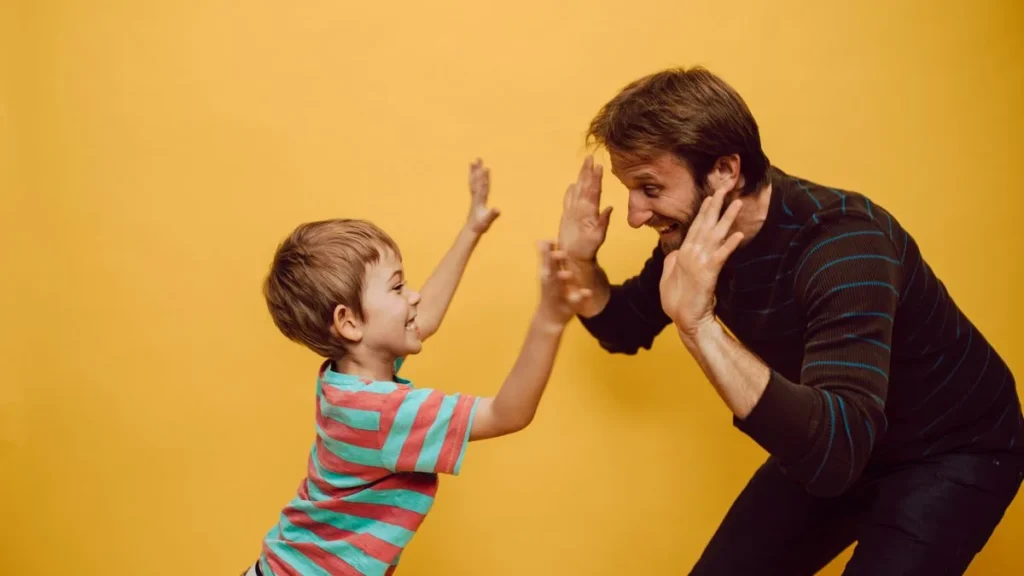
“Good job!” You say it when she stacks two blocks. You say it when he eats three peas. You say it so many times a day that, if you are honest, the words have started to sound like background noise — to you and to your child. Learning how to praise your child in a way that really lands is not about praising more. It is about praising better.
The secret is simple: children grow on praise that tells them something true and useful. When your words point at their effort, their kindness, or their new skill, praise becomes food for real confidence. When it is just “good job” on repeat, it slides past them. This guide shows you the small changes that make your words count.
In This Guide
Why “Good Job” Falls Flat
There is nothing wrong with “good job” now and then. The trouble is that it tells your child almost nothing. Good job at what? The tower? The sharing? The trying again after it fell? When praise has no detail, children cannot repeat the good thing on purpose — and repeating good things on purpose is how they grow.
Vague praise also fades fast. Say it for everything, and it starts to mean nothing, a bit like a song played all day. Your child stops hearing it, and you lose one of your best teaching tools.
Think of praise as a small light you shine on the exact thing you want to see again. That is the heart of positive reinforcement: noticed behavior grows. It is also a big part of building your child’s confidence, because children start to believe the true things they hear about themselves, day after day.
How to Praise Your Child for Effort, Not Just Talent
Effort praise is the most useful kind there is. Instead of praising who your child is (“you are so clever”), praise what your child did (“you kept trying until the puzzle fit”). The difference sounds small, but it changes what your child believes about hard things.
A child praised for talent may start to avoid anything tricky, in case she fails and the “clever” label slips. A child praised for effort learns the opposite lesson: hard is fine, trying works, and mistakes are part of it. She will pick the harder puzzle next time, because the praise is waiting at the trying, not just at the winning.
Effort praise has three simple parts:
- Say what you saw. “You used both hands to carry that bowl.”
- Name the effort or choice. “You were careful and you did not give up.”
- Keep it warm and short. A smile and one or two lines land better than a speech.
That is all there is to it. When parents ask about praise that builds real grit, this is the habit to build: notice the work out loud.
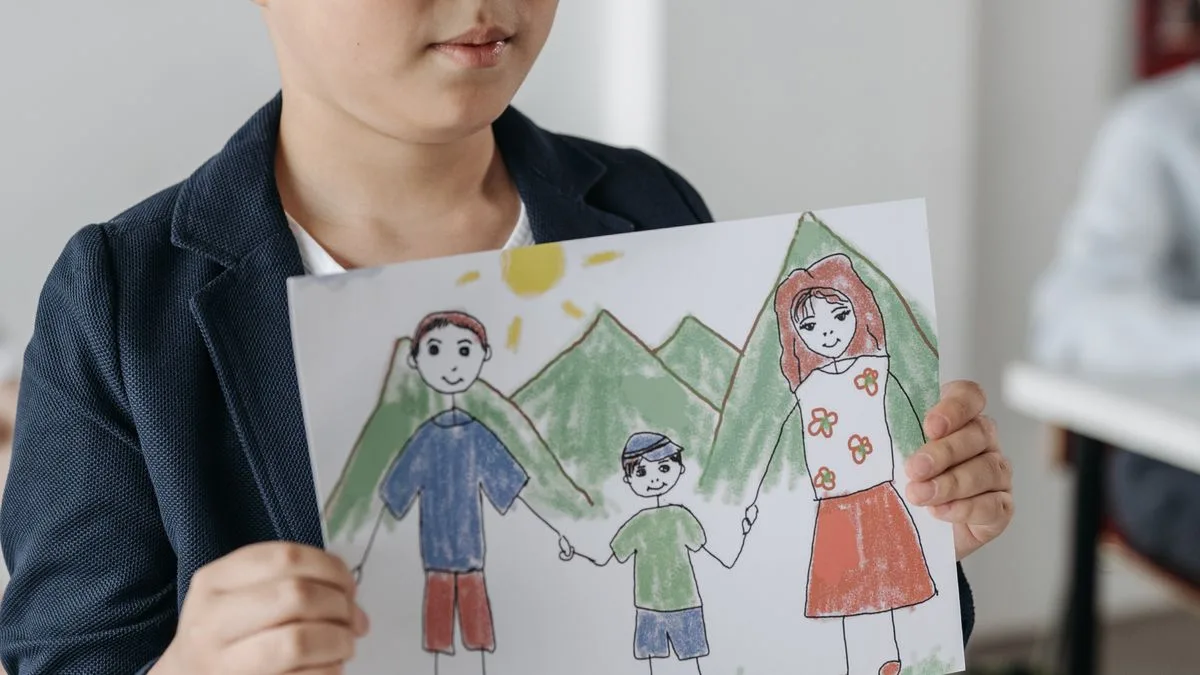
Praise Phrases to Try Today
Here are ready-to-use lines for everyday moments. Steal them, change them, make them yours:
For Effort and Trying Again
- “You kept trying until the tower stood up. That took real work.”
- “That was hard, and you did not give up. I saw you.”
- “You practiced, and it shows. Your drawing has so many details now.”
For Kindness and Helping
- “You gave your brother a turn. That was kind, and he looks so happy.”
- “Thank you for helping me carry the bags. That made my job easier.”
- “You noticed she was sad and gave her your teddy. What a caring friend you are.”
For Brave and New Things
- “You were nervous about the big slide, and you tried it anyway. That is brave.”
- “You tasted a new food today. Well done for giving it a go.”
Notice how each line points at a real action. Your child hears exactly what was good, and can do it again tomorrow on purpose. That is praising children with purpose, not just noise.
Praise Habits to Avoid
A few common praise habits quietly backfire. It is worth knowing them:
- Labels. “You are so smart,” “You are the best artist” — labels feel nice, but children can grow scared to risk them. Praise the work, not the label.
- Comparing. “See how nicely your sister eats?” Comparing never motivates the child you want it to. It mostly builds rivalry.
- Praising everything. If tying one shoe gets a party, praise loses its meaning. Keep praise true and it keeps its power.
- Praise as a bribe. “If you stop crying I will say you are a good boy” teaches the wrong lesson fast. Comfort first; praise is not a tool to stop feelings.
Praise also does not replace limits. Children need both: warm words for good choices, and calm, steady rules for the rest. Praise works best alongside kind and firm boundaries, so children know the shape of the day and feel noticed inside it.
Praise in Everyday Moments
The best praise is small, quick, and close to the moment. Catch your child being good — it is an old line because it works. Thank him for waiting while you paid at the shop. Notice her sharing the red crayon without being asked. Say it right then, in a normal voice, like it matters — because to your child, it does.
Encouraging kids is not about grand speeches. It is about a steady stream of small, true comments across ordinary days. For more simple ideas on warm, everyday parenting, Zero to Three’s positive parenting resources are full of gentle guidance for the early years.
Frequently Asked Questions
Can you praise a child too much?
You can praise too vaguely, but warm, true praise is hard to overdo. If your words point at real effort and real actions, children do not get spoiled by them — they get guided by them.
What should I say instead of “good job”?
Say what you saw: “You zipped your coat all by yourself.” Add the effort if you can: “You kept trying and you did it.” Specific words are the whole trick.
Does effort praise work for toddlers too?
Yes, in shorter form. Toddlers understand tone, smiles, and a few simple words: “You tried so hard!” Clap, get down to their level, and let your face do half the talking.
What if my child brushes praise off or says “no I’m not”?
Some children find praise intense. Keep it quiet and low-key — a small comment while you play, not a big moment. Praise the action once, then move on. Over time, most children soften to it.
Small Words, Big Effect
In the end, how to praise your child comes down to one gentle habit: notice the good out loud, and say what it was. You do not need new skills or special time. You just need your eyes open for the trying, the sharing, and the small brave steps that happen every day — and a few honest words when you see them. Said often enough, those words become the voice your child carries inside. Choose them with love.
Leave a Reply