

Your toddler looks you in the eye, smiles, and tips the cup of water onto the floor. Again. You said no. They heard you. They did it anyway. Moments like this are what setting boundaries with toddlers is really about.
This is normal toddler life, not bad behaviour. Toddlers test every edge to learn where the edges are. That is why those boundaries matter so much — not to control your child, but to give them a world that feels safe and makes sense. Here is how to do it, firmly and kindly.
In This Guide
What Boundaries Really Are (and Are Not)
A boundary is simply a rule that keeps everyone safe and the home running. “We hold hands in the car park.” “Food stays at the table.” Clear, small, and the same every day.
Boundaries are not punishments. They are not about winning or showing who is boss. Think of them like the rail on a bridge: your toddler can run, play, and explore freely, and the rail is there so they do not fall.
In fact, toddlers often relax when the rules are clear. A child who never knows what will happen next feels wobbly and tests more, not less. Kind and firm discipline gives them solid ground to stand on.
The AAP guidance on effective discipline makes the same point: the word discipline means teaching, not hurting. Our job is to teach, slowly and often, until it sticks.

Setting Boundaries With Toddlers, Step by Step
Step 1: Pick a Few Rules That Matter Most
Start with three to five rules, and put safety first. Hitting, biting, running into the road, and touching hot things are worth a firm no. Socks that do not match, or a banana broken in half “wrong”? Let those go. A home with fifty rules is a home where no rule feels important.
Step 2: Say It Short, Clear, and Close
Get down to your child’s level and use few words. “No hitting. Hitting hurts.” Then show what they can do: “You can hit this cushion.” Long speeches wash over toddlers. Short and calm sinks in.
Step 3: Show What TO Do
Every “don’t” needs a “do”. “Don’t throw the cup” becomes “The cup stays on the table. You can throw this soft ball.” Toddlers learn far more from what we show than from what we ban.
Step 4: Follow Through the Same Way, Every Time
This is the step that makes toddler boundaries work. If the cup is thrown after your warning, the cup goes away for now. Not in anger — calmly, like rain falls. If a rule only applies when you feel up to it, your toddler will keep testing to find out if today is a rule day.
Step 5: Stay Close and Stay Kind
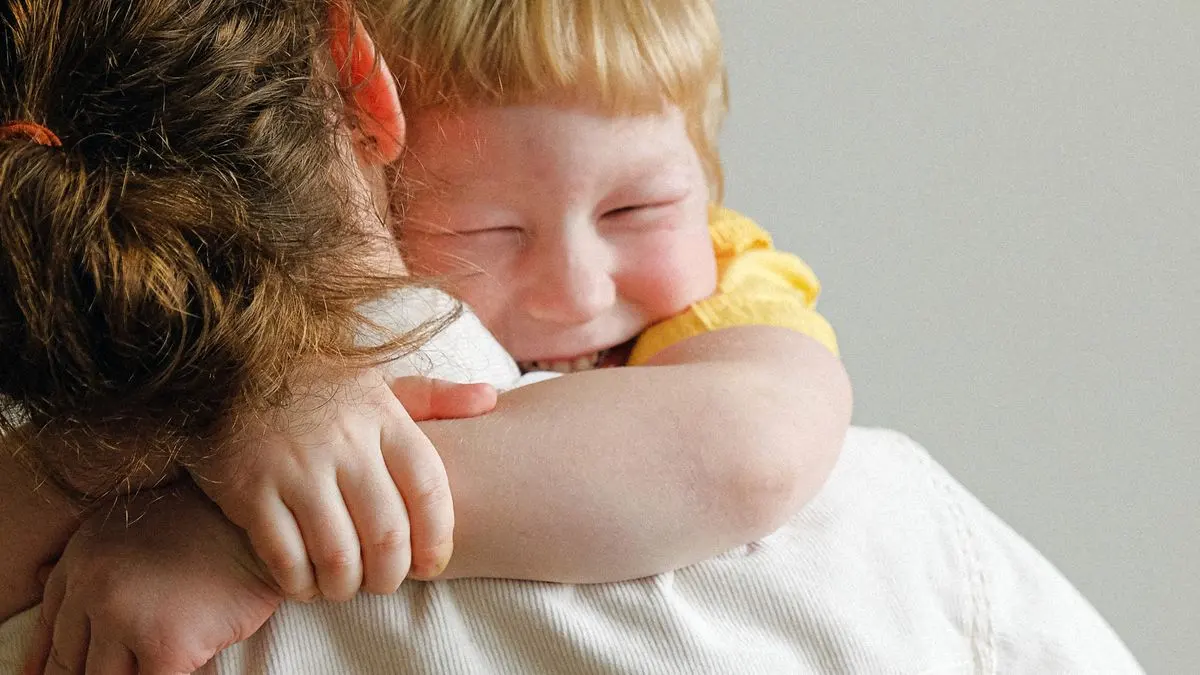
Holding a boundary does not mean withdrawing love. You can say “I won’t let you hit” and still hug the crying child a moment later. The message is: the rule is solid, and so is my love. Both things, every time.
One more small thing that helps a lot: tell grandparents and childminders your few main rules, and ask them to use the same words for them. Toddlers settle much faster when every grown-up sings from the same song sheet — and you will not have to rebuild the rules after every visit.

Words That Work: What to Say
The right words make boundaries much easier to hold. Short, warm, and clear beats long and cross, every single time.
- Instead of “Stop that right now!” try “I can’t let you do that. It is not safe.”
- Instead of “How many times…?” try “The rule is: crayons on paper only. Here is your paper.”
- Instead of “You’re being naughty” try “You are angry. It is okay to be angry. It is not okay to kick.”
- Instead of “No biscuits, end of story” try “Biscuits are for after lunch. Would you like an apple or a banana now?”
If you like having a few good sentences ready in your pocket, you will love these positive discipline phrases that work in everyday moments just like these.
When Your Toddler Pushes Back
Here is the truth nobody warns you about: the first time you hold a new boundary firmly, your toddler may cry harder than ever. That is not a sign it is failing. It is a sign your child has noticed the rail is real, and is testing it with all their might.
Stay calm, stay close, and ride it out. Name the feeling: “You really wanted that biscuit. It is hard to wait.” Crying next to a calm adult is how toddlers learn that big feelings pass and the world stays safe.
If protests turn into full meltdowns often, our guide to responding to tantrums calmly walks you through what to do in the moment, step by step.
Also expect rules to need re-teaching. Gentle discipline is not a one-time talk; it is the same kind lesson, repeated fifty times, until one day you notice it has quietly become the habit. That slow work is the job, and you are doing it.
And what if the pushing happens in public, with everyone watching? It feels awful, but the job stays the same: get down low, keep your voice down, hold the rule, and move to a quieter spot if you can. Other parents are not judging you half as much as you fear. Most of them have stood exactly where you are standing, with a toddler yelling at full volume.

Frequently Asked Questions
How many rules should a toddler have?
Three to five main rules is plenty for a one or two year old. Keep the list short, put safety first, and add new rules slowly as your child grows and understands more.
What if my toddler laughs when I say no?
Laughter is often nerves or a game to them, not disrespect. Stay calm, keep your face gentle but serious, and follow through in the same way. The laughing phase passes when the rule stays boring and solid.
Should the rules be the same at grandparents’ house?
The big safety rules should stay the same everywhere. Small things can bend — a biscuit before lunch at Grandma’s house does no harm. Children cope well when the main rules hold.
What if I lose my temper?
Say sorry, simply, once things are calm. “I shouted. That was not okay. The rule is still no hitting.” You teach two lessons at once: rules matter, and people can fix their mistakes.
When do toddlers start to understand rules?
They begin to understand simple rules in the second year, but remembering them when excited takes much longer. Expect lots of reminders — that is learning, not defiance.
Firm and Kind, Every Day
You do not have to choose between being strict and being soft. Setting boundaries with toddlers works best when the two live in the same sentence: “I love you, and I won’t let you hit.” Few rules, clear words, calm follow-through. That is the whole recipe — and on the days it feels like nothing is working, remember that slow, steady teaching is still teaching.

Leave a Reply