

It often starts over something tiny. The banana broke in half. The cup is the wrong color. Then your toddler is on the floor, red in the face, crying like the world has ended — and you are standing there hot with shame while people stare. If this sounds like your life right now, take a breath. Toddler tantrums are a normal part of growing up, not a sign that you are doing a bad job. In this guide, we will look at why they happen, what is normal at each age, and how to get through them in a calm way.
In This Guide
Why Toddler Tantrums Happen
A toddler’s brain is still being built. The part that helps them calm down, wait, and use words is not done yet — and it will not be done for many years. So when big feelings hit, they hit hard. Your child may want a thing very much, but they do not have the words to ask for it or the skills to deal with “no.”
Most toddler meltdowns start from a few simple things: being tired, being hungry, feeling ill, or being asked to stop something fun. A new place, a change in the day, or too much noise can tip them over the edge too. This is why the same small thing can be fine one day and cause a full storm the next.
It helps to know that a tantrum is not a trick. Your child is not trying to shame you in the shop. In that moment, they have truly lost control, and they need you to be the calm one for both of you.
What Is Normal at Each Age
Between the ages of one and three, tantrums are very common. Many toddlers have one most days, and some have a few. They often peak around age two, when a child has big wants but still has few words. By age three and four, most children can say more of what they feel, so the storms tend to get shorter and come less often.
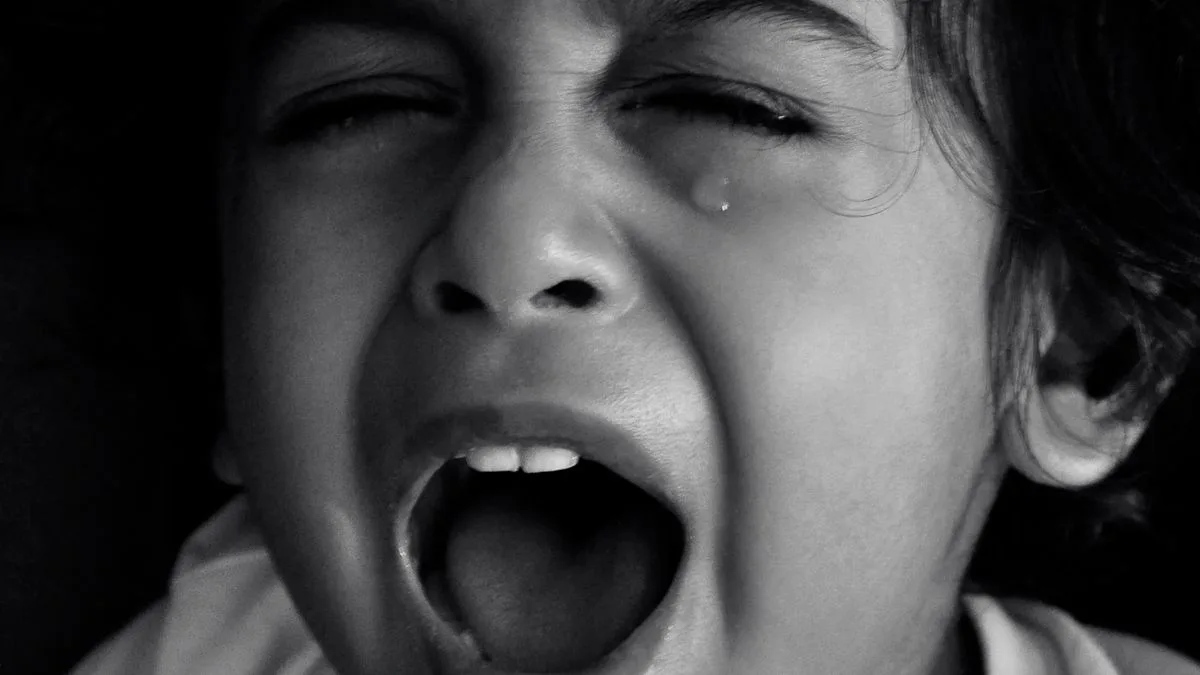
A normal tantrum can last from two minutes to ten. Your child may cry, shout, kick, throw themselves on the floor, or hold their breath for a few seconds. It looks scary, but in most cases they calm down on their own with you close by. You can read more about what to expect in KidsHealth’s guide to temper tantrums.
Do talk to your child’s doctor if tantrums last a long time most days, if your child hurts themselves or others a lot, or if you feel something is not right. You know your child best, and it is always fine to ask.
How to Stay Calm in the Moment
There is no magic word that stops a tantrum, but there are things that help it pass faster. The goal is simple: keep your child safe, keep yourself calm, and wait for the storm to blow over.
- Stay close and stay low. Get down near your child. You do not have to hold them if they push you away, but stay where they can see you.
- Use few words. This is not the time for a big talk. Simple words like “You are mad. I am here.” work best.
- Name the feeling. “You wanted the red cup. You are cross.” Feeling heard helps the storm pass.
- Keep them safe. Move things that can be thrown or broken. Move your child gently if they are near something sharp or hot.
- Do not give in just to stop the noise. If you said no to the sweet, giving it now teaches that screaming works. Hold the line with a kind voice.
- Wait it out. Most tantrums burn out on their own. Your calm face is the lesson: big feelings are not scary, and they do not last.

These same ideas also help day to day with getting your child to listen without yelling, because a child who feels calm and safe finds it easier to hear you.
What to Do After the Storm Passes
When the crying slows down, your child may want a hug, or they may just want to sit close for a bit. Let them come to you. This is not “giving in” — comfort after a storm helps your child learn that feelings end and love stays.
Once everyone is calm, you can talk about it in a few short words: “You were mad the park time ended. Next time we will say bye-bye to the slide.” Keep it light. There is no need for a long talk or a telling-off. Young children learn from what we do in the moment, not from a speech an hour later.
If the tantrum broke a rule, hold the rule in a kind way later on, when things are calm. Rules land best when they are tied to kind and firm boundaries that stay the same every day.

Heading Off Meltdowns Before They Start
You cannot stop every tantrum, and you do not need to. But a few small habits can cut down how many you face each week:
- Watch for tired and hungry. A snack and a rest stop many storms before they start. Try not to plan trips out right before a nap.
- Give a warning before change. “Two more goes on the swing, then we go home.” A heads-up makes change feel less sudden.
- Offer small choices. “Blue shirt or green shirt?” A sense of control keeps frustration low.
- Keep days simple. Too many stops, too much noise and too little sleep add up. A calm, known routine helps a lot.
- Praise the good bits. When your child waits, asks with words, or calms down faster than last time, say so. What gets noticed gets repeated.
These tantrum tips will not end meltdowns for good, but over weeks they make them shorter, softer and easier to handle — for both of you.

Frequently Asked Questions
How long do tantrums usually last?
Most last between two and ten minutes. If your child is often upset for much longer than that, or cannot calm down most days, talk to their doctor for advice.
Should I ignore my child during a tantrum?
Stay close and keep them safe, but do not try to talk or reason in the middle of it. Few words, a calm face, and waiting nearby work better than walking away.
Do tantrums mean my child is spoiled?
No. Tantrums are a normal part of how a young brain grows. Toddlers have big feelings and very few words, so the feelings come out loud.
What if the tantrum happens in a shop or cafe?
Stay calm, keep your child safe, and if you need to, pick them up and step outside for a few minutes. Other parents have all been there, even if it does not feel like it.
When should I worry about tantrums?
Talk to a doctor if your child often hurts themselves or others, if tantrums last a very long time most days, or if your gut tells you something is wrong.
You Are Not Alone in the Storm
Toddler tantrums are loud, hard and sometimes public — but they are also a normal sign of a growing brain learning to handle big feelings. Stay close, keep your words few, and hold your limits with a kind voice. The storm always passes, and each one teaches your child that feelings can be survived. With time, the storms get shorter — and you will feel more sure of yourself with every one.

Leave a Reply