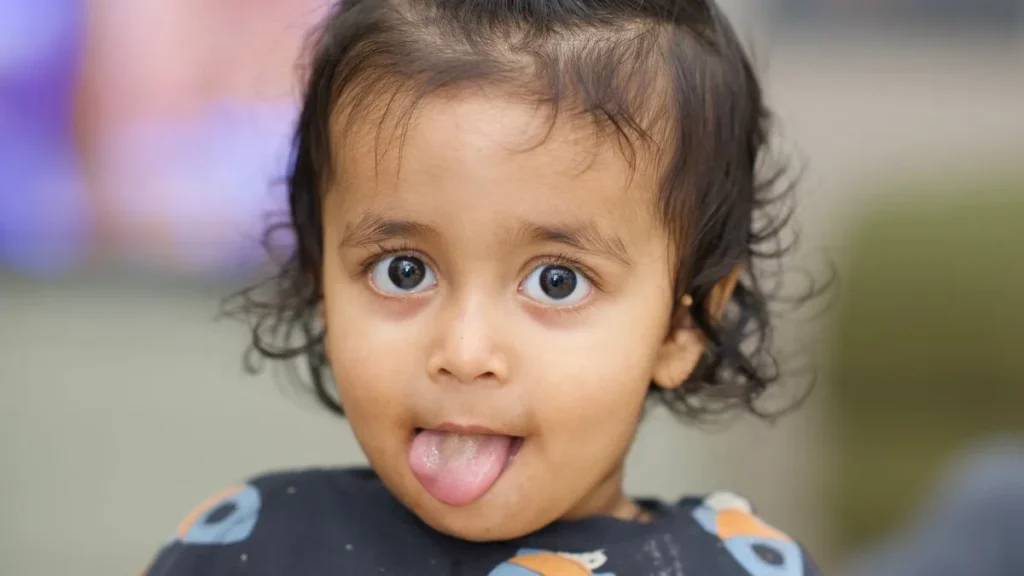
You are getting your toddler dressed. “No!” You offer her breakfast. “No!” You pick up the book she loved yesterday. “No!” If you have started to wonder why toddlers say no to almost everything, you are not alone. It can feel like your sweet baby has turned into a tiny boss overnight.
Here is the good news first: all that “no” is not bad behavior. It is a normal, healthy part of growing up. Your toddler is learning that she is her own person, with her own mind and her own likes. In this guide we will look at what “no” really means, why it shows up so much at this age, and simple, calm ways to get through the day without a fight over every little thing.
In This Guide
Why Toddlers Say No (and Why It Is a Good Sign)
Between about 18 months and 3 years, toddlers discover a brand-new power: their own choices. Your child is learning that she can make things happen. She can refuse the blue cup, pick the red shirt, and change what comes next. That feels exciting to her, even when it slows life down for you.
“No” is also one of the easiest words in the world to say. It is short, it is strong, and it works. One small word gets a big reaction from the grown-ups. When parents ask why it happens so often, this is a big part of the answer: the word is simple, and it gives a small child a real feeling of control.
Child experts often call this the no phase, and it is a healthy sign of toddler independence. Your child is not trying to be rude or difficult. She is practicing being a person. That practice just happens to start at breakfast, in the supermarket, and right when you are already late.
There is helpful reading on this stage in Zero to Three’s resources on toddler behavior, which explain how normal this push for independence is in the early years.
What Your Toddler Really Means by “No”
Most of the time, “no” does not mean what adults think it means. Your toddler may not be refusing the thing at all. She may be saying something else, in the only short word she has. “No” can mean:
- “I want to do it myself.” She wants to pour the water, even if half of it lands on the table.
- “I need more time.” She is deep in play and not ready to stop yet.
- “I am tired, hungry, or full up.” Big feelings often come out as one loud word.
- “That was a surprise.” New food, new people, new plans — “no” is her way of slowing things down.
- “I just like saying it.” Sometimes the word itself is the fun part.
When you hear “no” as a message, not an attack, it gets much easier to stay calm. You can answer the real need — more time, a snack, a cuddle — instead of fighting about the word itself.

Simple Ways to Handle the No Phase
You cannot stop the no phase, and you do not need to. But you can make it much softer. These small habits help most families:
Offer Two Good Choices
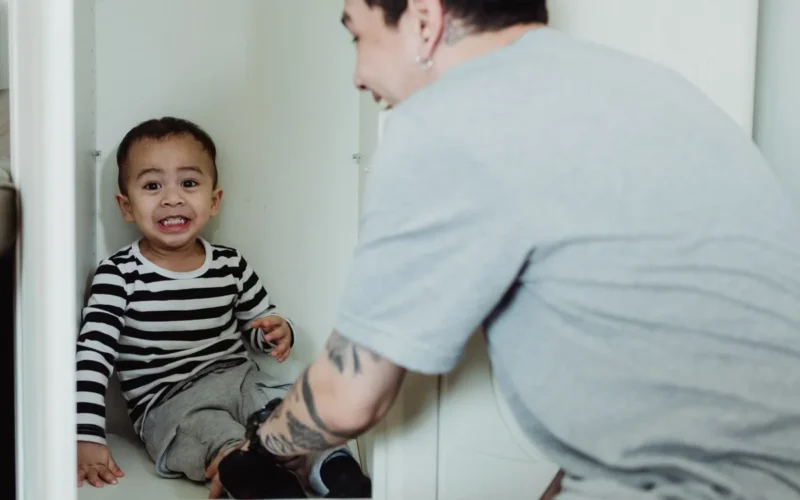
Choices give your toddler control inside limits you set. “Red shirt or blue shirt?” “Apple or banana?” Both answers are fine with you, and she feels like she decided. Most days, a choice ends the battle before it starts. It also builds toddler independence, bit by bit.
Keep Your Words Short and Warm
Long talks do not land well with a two-year-old. Try short, clear lines: “Shoes on, then park.” Smile, keep your voice soft, and give her a moment to switch gears. Toddlers often need 10 slow seconds to move from one thing to the next. A tiny warning helps too — “Two more minutes, then shoes” gives her brain time to catch up with the change.
Save Your Own “No” for Safety
If everything is “no,” the word loses its power. Try to say what she can do instead: “We walk on the path,” rather than “No running.” Save a firm “no” and “stop” for real danger, like roads and hot pans, so she knows those ones truly matter.
Stay Calm When the Storm Comes
Some “no” moments melt into tears. That is normal toddler behavior, and your calm is the anchor. Our guide to calming toddler tantrums walks through what to do in those hard minutes. In short: get down low, keep her safe, and wait it out with her. The storm passes faster when you do not shout into it.

When “No” Might Mean Something More
For almost every toddler, saying no all day is just a stage, and it fades as words grow. By age 3 or 4, most children can say what they want in longer sentences, and the battles get fewer.
Still, trust your gut. Talk to your doctor or health visitor if your child seems stuck, is losing words she once had, or finds every change deeply upsetting for a long time. The same goes if “no” comes with big worries at nursery or with other children. A quick chat can put your mind at rest. In the meantime, small social games help her feel more in control with others — things like teaching your toddler to share build skills one tiny turn at a time.


Frequently Asked Questions
Why does my toddler say no to everything, even things she likes?
Saying no is often about control, not the thing itself. Your toddler loves the feeling that she has a say. Choices, time to switch tasks, and a calm routine help more than battles do.
How long does the no phase last?
It usually starts around 18 months and eases by age 3 or 4, as talking skills grow. Every child is different, and calm weeks will mix with hard ones along the way.
Should I punish my toddler for saying no?
Punishing the word rarely helps, because she is learning, not being rude. Stay kind and firm, offer choices where you can, and save strict words for safety.
What should I do when my toddler screams “no” in public?
Stay as calm as you can and keep it short. Move to a quieter spot if you can, hold your limit kindly, and let the feeling pass. Every parent around you has been there.
The Bottom Line
In the end, the answer to why toddlers say no is a sweet one: your child is growing. Each “no” is her way of testing her voice in the world, and that is a good thing, even on the hard mornings. Give her small choices, keep your words short and warm, and hold the big limits with love. And on the days when the tears still come, our guide to calming toddler tantrums is a kind next read. One day soon, “no” will soften into real talks — and you may almost miss the tiny boss stage. Almost.
Leave a Reply