
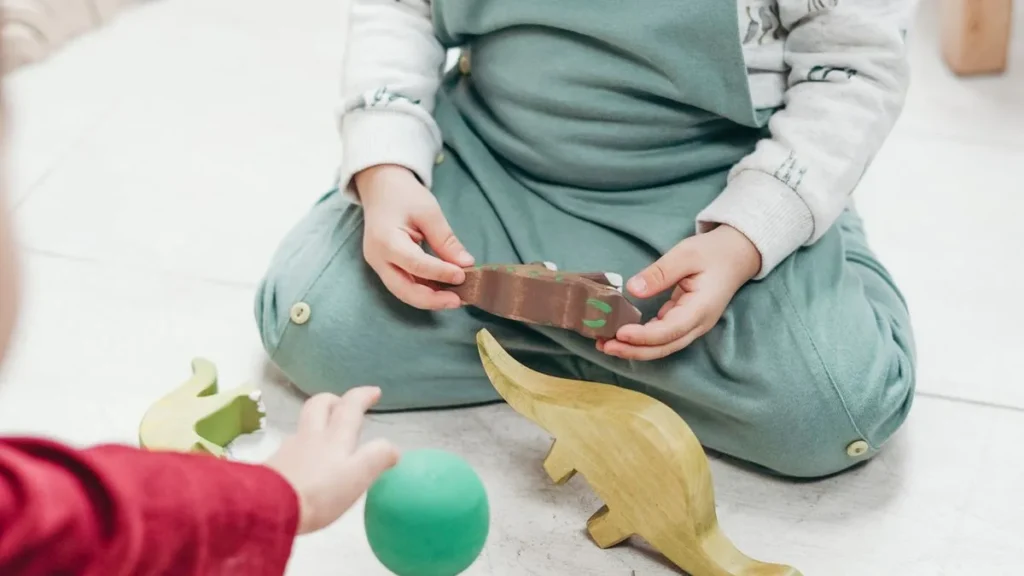
Your toddler hugs her toy car like it is pure gold. Another child reaches for it, and the shouting starts. If this sounds like your home, you are not alone. Many parents want to teach toddler to share, but forcing a two-year-old to hand over a loved toy rarely works. The good news is that sharing is a skill. Like every skill, it grows slowly, with practice, patience and lots of small chances to try.
The short answer is this: toddlers learn to share by watching you, by taking turns in tiny steps, and by feeling sure that their own things are safe. This guide shows you how to build that skill day by day, without tears, bribes or battles.
In This Guide
Why Sharing Is So Hard for Toddlers
First, it helps to know what is going on inside that small head. A toddler is just learning that she is her own person. Her toys feel like a part of her. When we say “share,” she hears “give away the thing you love, maybe for good.” She cannot yet see the world through another child’s eyes. That part of the brain is still growing.
This is why sharing toys is often the hardest part of early toddler social skills. It is not bad manners. It is normal growing. Most children start to share with less fuss somewhere between three and four years old, and even then they need help on tired or hungry days.
Knowing this takes the pressure off. Your job is not to fix your child. Your job is to teach, gently and often, and to keep things calm while the skill grows.
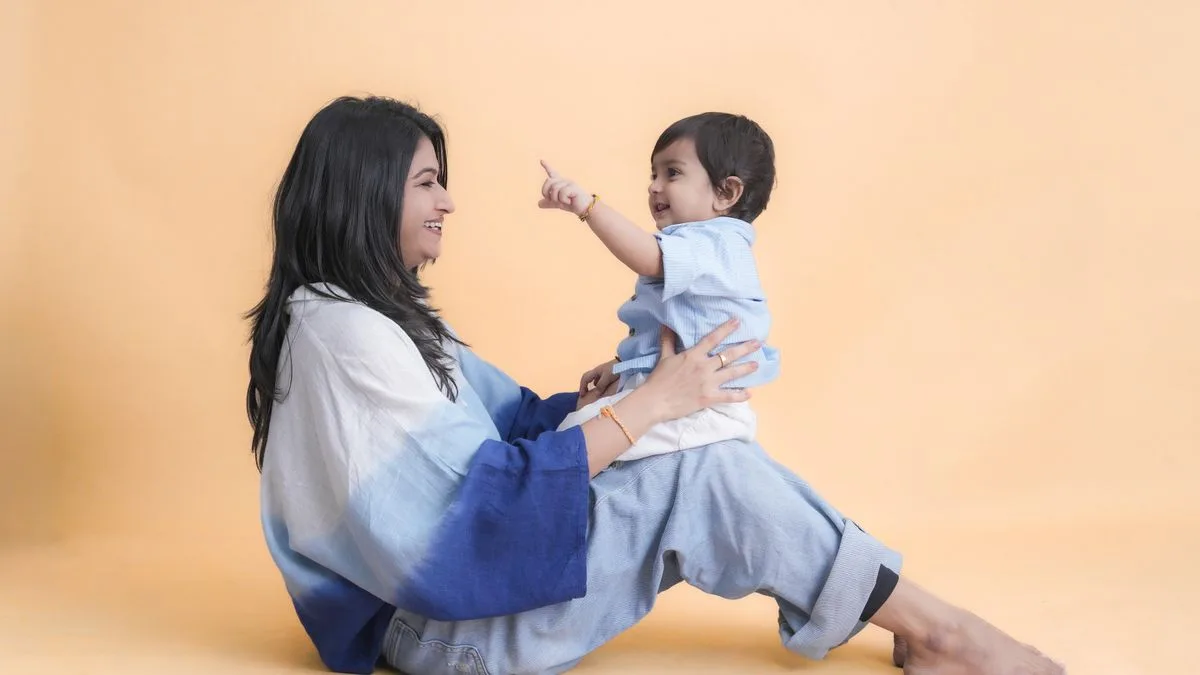
How to Teach Toddler to Share in Small Daily Steps
When parents ask how to do this without a fight, the honest answer is: start smaller than you think. Big lessons land better in tiny pieces, repeated on ordinary days.
- Share first, yourself. Offer your child a bite of your apple and say, “I am sharing my apple with you.” Children copy what they see far more than what they hear.
- Use turns, not giving away. Learning to take turns feels safe, because the toy always comes back. Set a timer for one minute: “Your turn with the red car, then Sam’s turn.”
- Praise the tiny wins. When your child passes a crayon or lets a friend push the swing, name it out loud: “You shared the crayon. Look, Mia is smiling.”
- Put one special toy away before friends come. It is fair to protect a loved thing or two. Sharing practice is much easier with toys that feel less precious.
- Talk about sharing at calm times. Simple picture books about friends and turns give you shared words to use later, in the heat of the moment.
Sharing also grows best inside calm, steady limits. A child who knows the house rules feels safe enough to be kind. If limits are a sore spot in your home right now, our guide to setting kind boundaries is a good place to start.
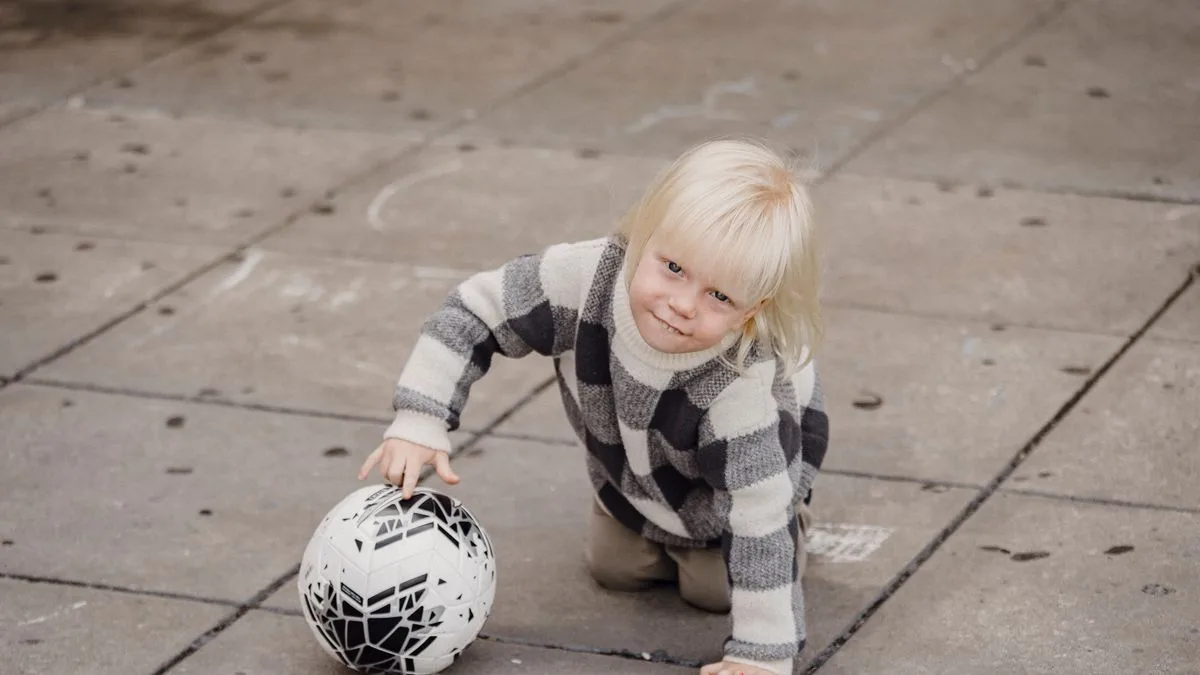
Easy Games That Teach Taking Turns
Play is where toddler sharing grows fastest, because nobody feels put on the spot. Try these simple games during the week:
- Roll a ball back and forth. Say “my turn, your turn” as you play. It sounds too simple, but this is the heart of sharing.
- Build one tower together. Each person adds one block at a time. Cheer when it grows, laugh when it falls.
- Take turns stirring. Let your toddler stir the cake mix, then pass the spoon to you or a sibling.
- Do a simple puzzle as a team. One piece each, round and round, until the picture is done.
Games like these also mix well with other play learning. For example, learning shapes through play gives each child one shape at a time to place, so turns are built into the fun.
Sharing With Siblings and With Friends
Sharing looks different with a brother or sister than it does with a visiting friend. With siblings, the fight is rarely about one toy. It is about fairness, and about the fear that Mum or Dad loves the other one more. That is why the same car can cause a war at home and no fuss at all at the park.
A few house rules help a lot. Keep a small box of things that belong to each child alone, and put it somewhere safe. Everything else in shared rooms is for everyone. When a row starts, try not to play judge. Help them swap, wait, or find a second toy that works just as well. And when you spot a kind moment between them, a toy passed without being asked, make a warm fuss of it. Those are the moments that grow into real kindness.
What to Say When Your Toddler Will Not Share
Some days, none of this works. Your child screams, grabs, or runs off with the toy. That is normal too. In the moment, keep your words short and your voice low. Long talks do not land on a child who is full of feelings.
Try lines like these:
- “You are not done with the truck yet. When you are done, it is Leo’s turn.”
- “You both want the ball. I will keep it safe while we sort this out.”
- “Waiting is hard. It feels long. I will wait with you.”
For more on why toddlers find sharing so hard, and what is normal at each age, see Zero to Three’s guidance on toddlers and sharing. It is a calm, trusted read for hard days.


Frequently Asked Questions
At what age should a toddler be able to share?
Most children share more easily around age three or four. Before that, taking turns with an adult’s help is a fair goal. Every child moves at his own pace, and that is fine.
Should I force my toddler to share a favourite toy?
No. Forcing often makes a child guard toys even more. Keep one or two special toys out of the way during playdates, and offer the rest for sharing.
What if my toddler grabs toys from other children?
Stay calm and stay close. Hand the toy back, name the feeling, and offer a swap: “You want the car. This blue one is free.” Grabbing fades with time and practice.
How long does it take for a toddler to learn to share?
It is a slow skill that grows over months, not days. A little practice each day works far better than long talks or big lessons.
Is it normal for siblings to fight over toys all day?
Yes, very normal. Give each child a few things that are only theirs, and keep shared toys in shared spaces. That one small change cuts many daily fights.
Sharing Grows Slowly, and That Is Fine
Here is the thing worth holding on to: you do not need to win this today. Every calm turn, every shared snack, every “your turn next” is a small brick in the wall. That is how you teach toddler to share in real life: gently, daily, and without force.
One day soon you will watch your child hand a toy to a friend all on his own, and you will know the slow practice paid off. If you want another gentle skill to build next, try the games in our shapes guide above and keep play at the centre of it all.


Leave a Reply