

Circles are on your child’s plate. Squares are in their books. Triangles hide on rooftops and in slices of pizza. Shapes are all around our kids — and once you start pointing them out, your toddler will spot them everywhere too. The good news is that teaching shapes to toddlers does not need workbooks, apps or long lessons. Toddlers learn shapes the same way they learn most things: through play, talk and lots of small, everyday moments with you. This guide shares seven easy activities, plus simple ways to talk about shapes all day long.
In This Guide
When Toddlers Start Learning Shapes
Most toddlers start by matching shapes before they can name them. Around 18 months to two years, many children can push the right shape into a sorter or match two shapes that look the same, even if they cannot tell you its name yet. Naming comes later — often the circle first, then square, triangle and the rest, one by one, through the preschool years.
This order matters: matching and sorting come first, words come second. So if your two-year-old can find “the one that looks like this” but cannot yet say “triangle,” they are right on track. Every child learns at their own pace, and shape skills grow bit by bit with play.
Play is the engine for all of this. The same is true right from the start of life — babies build skills through things like tummy time play ideas, and toddlers build theirs through games, blocks and make-believe.
7 Fun Activities for Teaching Shapes to Toddlers
You do not need to buy much for these. Most use things you already have at home.
1. Play with a shape sorter
A simple sorter is a toddler gold mine. Sit with your child, name each shape as it goes in — “The circle goes in the round hole!” — and cheer when it fits. Let them turn the shape in their hands and try again when it does not fit. That trying is the learning.
2. Go on a shape hunt
Pick one shape for the day and hunt for it around the house. “Let’s find all the circles!” Wheels, plates, lids, clocks — your child will be thrilled by how many they can find. Start with one shape at a time so it stays easy and fun.
3. Make shapes with playdough
Roll playdough into snakes and bend them into circles, squares and triangles. Or press cookie cutters into flat dough to stamp shapes out. Squishing, rolling and stamping are great for little hands too.

4. Eat your shapes at snack time
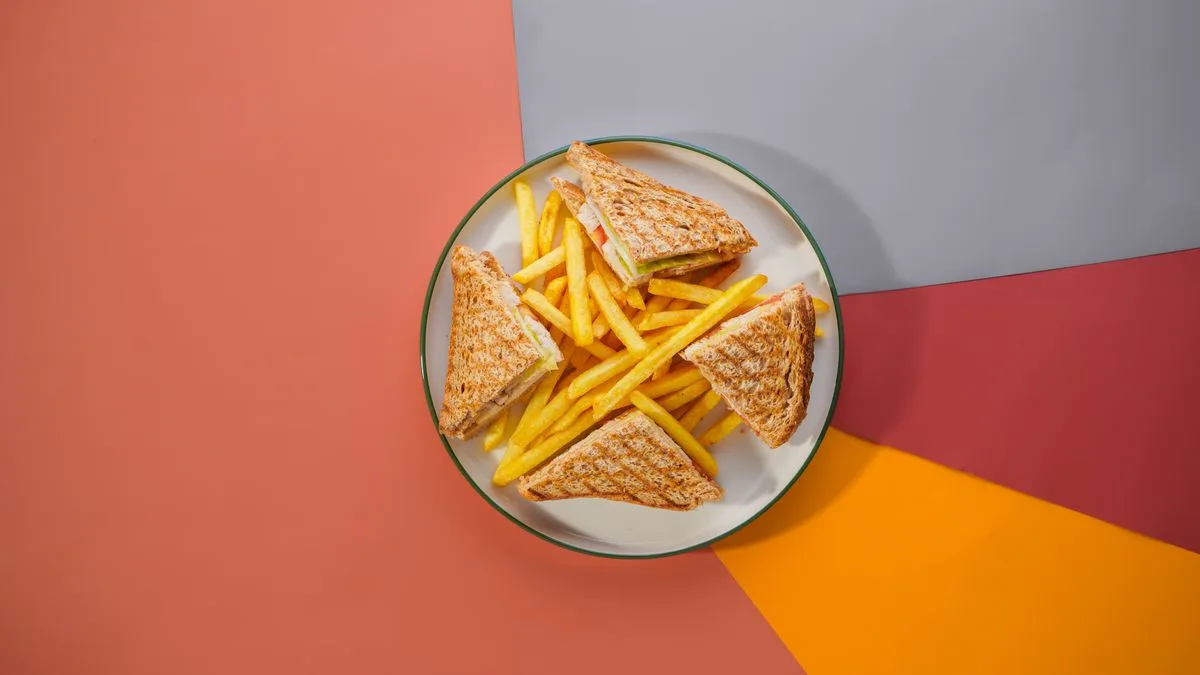
Cut sandwiches into triangles, cheese into squares, and offer round cucumber slices or crackers. Talk about the shapes as you eat. A snack that teaches is a snack that disappears fast.
5. Draw, paint and stamp shapes
Big paper, fat crayons, and no rules. Draw a big circle and let your child scribble inside it. Stamp shapes with sponges or potato prints. They are learning the look and feel of each shape while making a lovely mess.
6. Read shape books together
There are many sweet board books about shapes for kids. Point to each shape, trace it with your finger, and let your child turn the pages. Books tie the shape’s look to its name in a calm, cosy way.
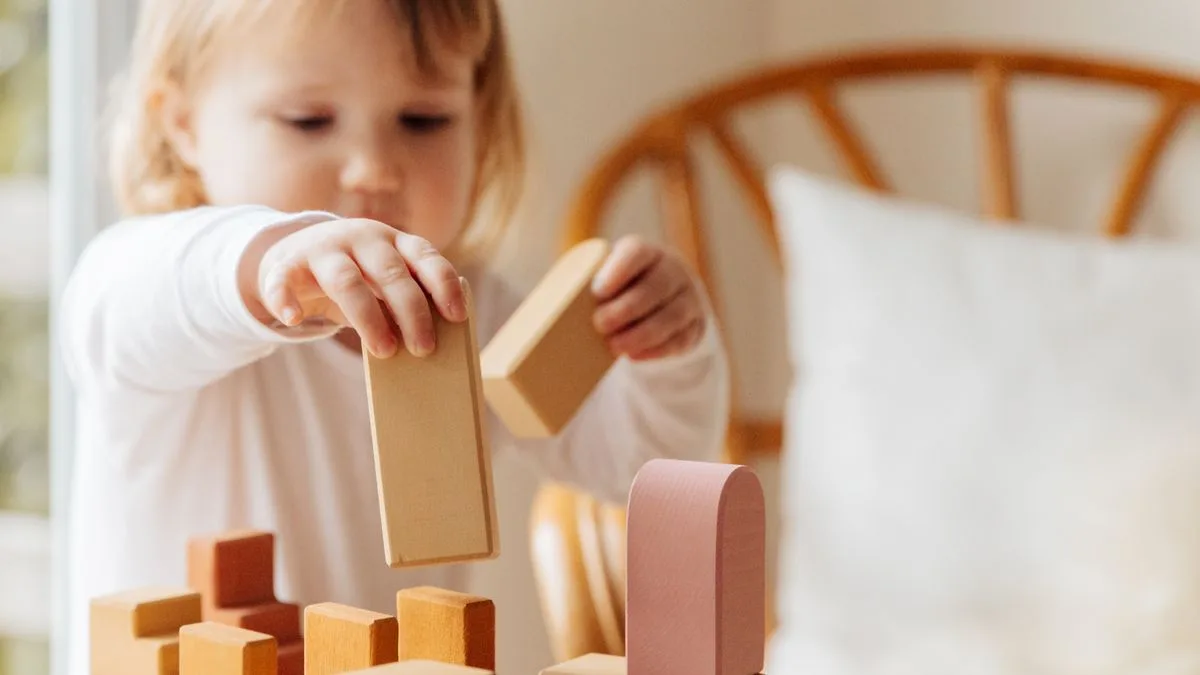
7. Build with blocks
Square blocks, triangle roofs, round towers. Call out the shapes as you build: “This triangle can be the roof!” Knocking the tower down at the end is, of course, the best part — then you get to build and learn all over again.
Shapes Talk: Pointing Shapes Out All Day
The easiest learning happens in real life, in tiny moments. Your plate is a circle. The door is a rectangle. The pizza slice is a triangle. The ball is a circle you can hold. When you name shapes as you cook, tidy, dress and walk, your child hears the words again and again in a way that makes sense.
Ask simple questions too: “Can you find a square?” “What shape is your cracker?” Keep it light — if they get it wrong, just smile and say the right one: “That’s a triangle! It has three sides.” No tests, no pressure, just talk.
Learning shapes is one small piece of a bigger puzzle. When you are ready, you can see how it fits in with other preschool readiness skills like taking turns, using scissors and knowing some letters and numbers.
Keep It Fun and Do Not Worry
A few minutes of shape play a day is plenty. Toddlers learn in short bursts, and they learn best when they are having a good time. If your child walks off mid-game, let them. The shapes will still be there tomorrow.
Try not to compare your child with others at the park or online. One child names all her shapes at two; another is still mixing them up at three — both are normal. Experts who study how young children learn, like those sharing NAEYC’s family resources on learning through play, agree that play and talk at home do more than any drill or flash card.
If you are ever worried that your child is far behind other children of the same age in many areas, not just shapes, it is always fine to ask your doctor or health visitor for advice.
Frequently Asked Questions
At what age should my toddler know shapes?
Most children start matching shapes around 18 months to two years, and learn to name the basic ones one by one through the preschool years. There is a wide range of normal.
Which shape should I teach first?
Start with the circle. It has no corners, so it is easy to spot and easy to draw. Then try square, triangle and rectangle, in any order your child enjoys.
My toddler mixes up shapes. Is that normal?
Yes, fully normal. Mixing up names is part of learning them. Just say the right name with a smile and carry on playing — it sinks in over time.
How long should shape activities last?
As long as your child is having fun — often just five or ten minutes. Short, happy bursts beat long lessons. Stop when they lose interest and try again another day.
Do I need special toys to teach shapes?
No. Plates, books, blocks, boxes and snacks are all shapes already. A simple sorter or a set of blocks is a nice extra, but your home is full of shapes for free.
Shapes Are Everywhere
Once you start looking, you will see that teaching shapes to toddlers is less of a lesson and more of a game you play all day: a round plate here, a square book there, a triangle of pizza at lunch. Play the activities, talk as you go, and keep it light. Your child will pick up circles, squares and triangles in their own good time — and will soon be pointing them out to you.


Leave a Reply