
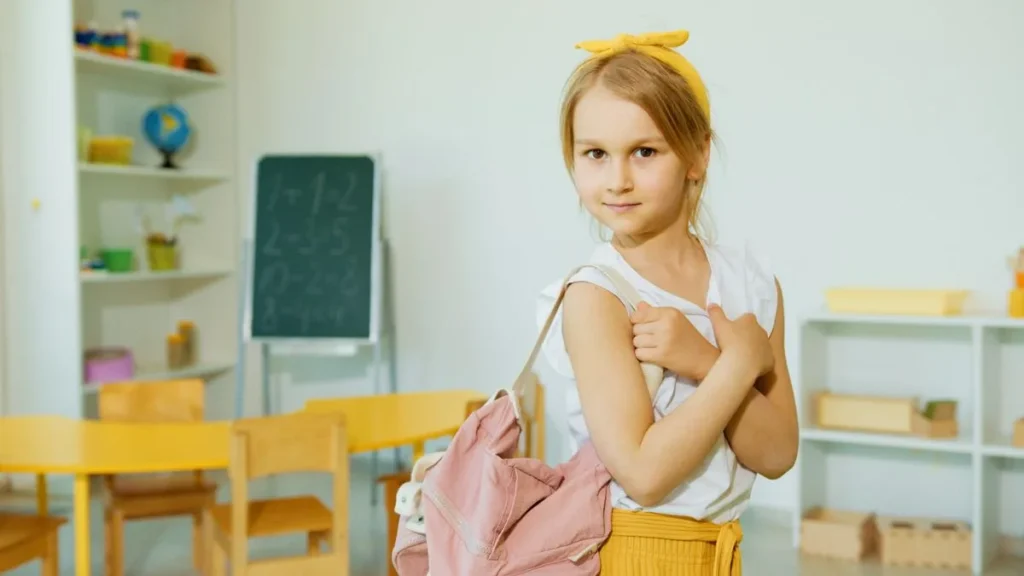
Your child starts preschool soon, and the questions start to pile up. Should she know her letters by now? What if he cannot write his name? When parents look into preschool readiness skills, the first worry is often school work. But teachers will tell you something surprising: the skills that help a child most in the first weeks are not reading and counting.
What matters most is everyday life. Can your child ask for help? Can she play near other children, open her lunchbox, and say goodbye at the door without falling apart? Those small skills are the real base for a happy start. The good news is that your child has been learning them all along, right at home.
In This Guide
Preschool Readiness Skills Teachers Value Most
Ask any preschool teacher what helps a new child settle in, and you will hear the same short list. They look for a child who can be away from Mum and Dad for a few hours. They look for a child who can ask an adult for help, follow one or two simple group rules, and manage basic things like the toilet, a coat, and a snack.
None of this means your child must be perfect on day one. Teachers expect wobbles. A shy child, a slow dresser, a child who cries a little at drop-off — all of that is normal at the start of preschool. What teachers hope for is a base to build on, and a family they can talk to.
If you want a calm overview of the whole stage, Zero to Three’s preschool prep guide walks through the feelings and the first steps in a kind, simple way.
Everyday Skills That Matter More Than ABCs
The best school readiness work does not look like school at all. It looks like getting dressed, washing hands, and helping set the table. These are the skills worth a little practice in the weeks before starting preschool:
Getting Dressed and Shoes
Your child will change shoes, hang up a coat, and open a bag many times a day. Pick shoes with straps or slip-ons she can do herself. Let her practice zips and big buttons at home, when nobody is in a rush. Every small “I did it!” builds real confidence.
Toilet and Hand Washing
Most preschools ask that children use the toilet on their own, or are well on the way. Practice the full trip: pants down, toilet, wipe, flush, hands washed with soap. Easy-waist pants help a lot. If your child is not quite there yet, tell the teacher — you will not be the first family to say it.
Eating and Drinking
At snack and lunch, children open boxes, peel bananas, and pour water from a small jug. Practice at home with the real lunchbox she will use. Opening and closing it by herself is a small skill that saves big tears in week one.
Playing, Sharing and Taking Turns
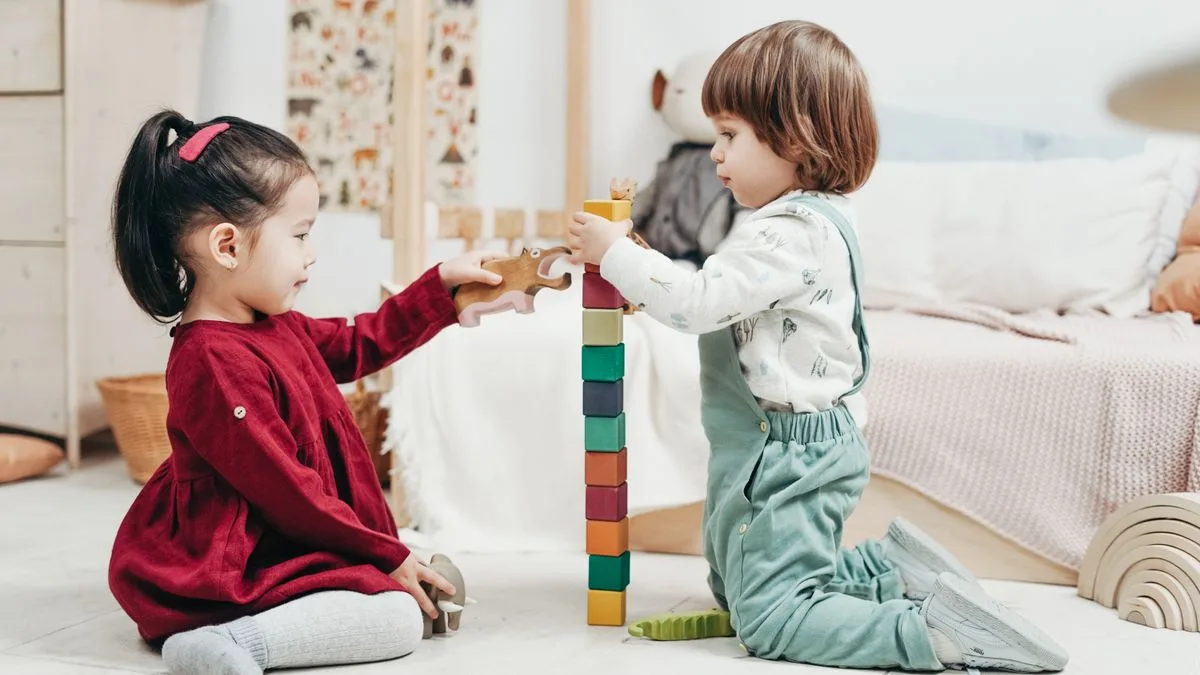
Preschool is a social place. Your child will play next to other children, wait for a turn on the slide, and share the good crayons. These moments are where a lot of the real learning happens.
Sharing is hard for toddlers and young preschoolers, and that is fine. It grows slowly, with practice. Board games with turns, passing a ball back and forth, and baking together are all gentle practice. Our guide to learning to share and take turns has more ideas that work at home without fights.
Words help too. Practice a few short lines together: “My turn next, please.” “Can I play too?” “I need help.” A child who can say what she needs finds the day much easier.
Easy Ways to Practice at Home
You do not need workbooks or special lessons. The best practice hides inside normal days:
- Play every day. Blocks, pretend shops, and dress-up games build focus, words, and problem solving. Play is the work of this age — even things like teaching shapes to toddlers through games count.
- Read together. Ten minutes with a book builds listening, new words, and the habit of sitting with a story — all gold at circle time.
- Let her do real jobs. Carrying her bag, putting shoes by the door, and pouring her own drink all build the “I can” feeling.
- Talk about feelings. Name happy, sad, cross, and scared in stories and in real life. A child who can say “I feel sad” copes better at drop-off.
- Practice goodbye. Short stays with grandparents or friends help her learn that you always come back.
Keep it light. Five minutes of practice inside a happy day beats an hour of drills that end in tears — for both of you.
What You Do Not Need to Worry About
Now for the list that helps parents sleep better. Your child does not need to read before preschool. She does not need to write her name in neat letters, count to 100, or sit still for long stretches. Teaching those things is the preschool’s job, and they are very good at it.
Children also start at very different points, and that is expected. One child talks in long stories, another is still putting two words together. One can hop and skip, another is still working on stairs. Starting preschool is a beginning, not a test. Your child will be met where she is.
If you have a real worry — about speech, hearing, or how your child plays with others — ask your doctor or health visitor before the start date. Most worries turn out to be nothing, and if help is needed, early is best.
Frequently Asked Questions
What if my child cannot write their name yet?
That is completely fine. Most children cannot when they start. Teachers work on names slowly, with lots of play. You can help by showing her the first letter of her name on doors, books, and her bag.
How do I know if my child is ready for preschool?
If she can be away from you for a few hours, ask for help in some way, and is curious about other children, she is likely ready for preschool. Small wobbles in the first weeks are normal.
My child is shy. Will they cope?
Most shy children cope very well. They may watch for a while before joining in, and that is okay. Tell the teacher your child is shy, keep goodbyes short and warm, and she will find her pace.
Should I practice letters and numbers at home?
Only through play, if your child enjoys it. Counting stairs, spotting letters on signs, and singing number songs are plenty. There is no need for drills or flashcards at this age.
What if my child cries at drop-off?
Tears at the door are common and usually stop within minutes of you leaving. Keep goodbye short, smile, say when you will be back, and go. A set routine makes it easier each day.
A Gentle Reminder
Preschool readiness skills are not a race, and your child is not behind. The skills that matter most — dressing, asking, waiting, playing, and saying goodbye — grow best through warm, ordinary days at home with you. Keep playing, keep talking, and trust the small steps. When the first morning comes, you will both be more ready than you think.

Leave a Reply