
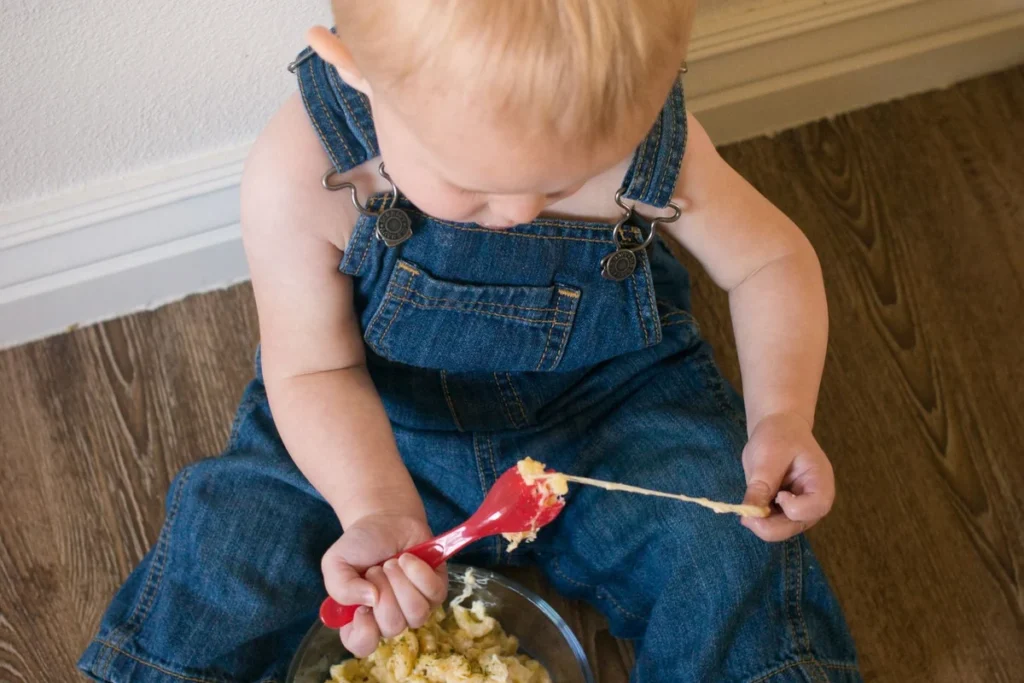
You cooked a proper dinner, you put it on the table, and your toddler ate three mouthfuls of pasta, pushed the rest away, and asked for toast. Again. If that sounds like your house, nothing is wrong with your cooking, and nothing is wrong with your child. Most toddlers go through a picky stage, usually between one and three, when new foods look suspicious and old favourites feel safe. The answer is not a cleverer recipe. It is a calmer plate, built around one food your child already trusts.
A safe food is the one food your toddler will eat on a bad day, without a fuss: plain pasta, toast, rice, yoghurt, or chicken strips. It is not the healthiest food on the plate, and it does not need to be. Its job is to make the plate feel safe, so your child stays at the table long enough to notice everything else. That is what these toddler meals for picky eaters safe food ideas are for: twenty-one real meals where the safe food does the heavy lifting, and one small new food sits quietly beside it.
What a Safe Food Is
Every picky eater has one, even the fussiest. Think about the last week, not the last month. Which food did your child eat without being asked twice? That is your safe food. For many toddlers it is pasta with butter, plain rice, toast, or yoghurt. For others it is chicken nuggets, cheese, or banana. Write it down, because it is the starting point for every meal in this article, and it is allowed to stay the same for weeks.
The idea behind these toddler meals for picky eaters safe food ideas is simple: you never ask your child to eat a whole plate of new food. You ask them to eat the food they already like, with one small new thing next to it. Some days they will touch the new food. Some days they will only look at it. Both count. A toddler often needs to see a food ten or fifteen times before they taste it, and that is normal, not a failure.
The Plate That Works Every Time
Build every meal from three parts. First, a good helping of the safe food, so your child is never hungry and cross at the table. Second, one familiar food they usually accept, like peas, sweetcorn, or cucumber. Third, one small portion of something new, no bigger than a tablespoon. The new food sits on the same plate, not hidden and not piled high. Hiding vegetables in a sauce sometimes works once, but it teaches your child nothing about the real food, and the trick stops working the day they find it.
Keep the rules at the table just as simple. Offer the food, then let your child decide how much to eat. Do not count mouthfuls, do not promise pudding for one more bite, and do not cook a second meal when the first is refused. A short meal is fine: about twenty minutes, then the plate goes away without a fuss, and the next meal comes at the usual time. One safety note for the whole list: cut grapes and cherry tomatoes lengthways, and do not give whole nuts to children under five.
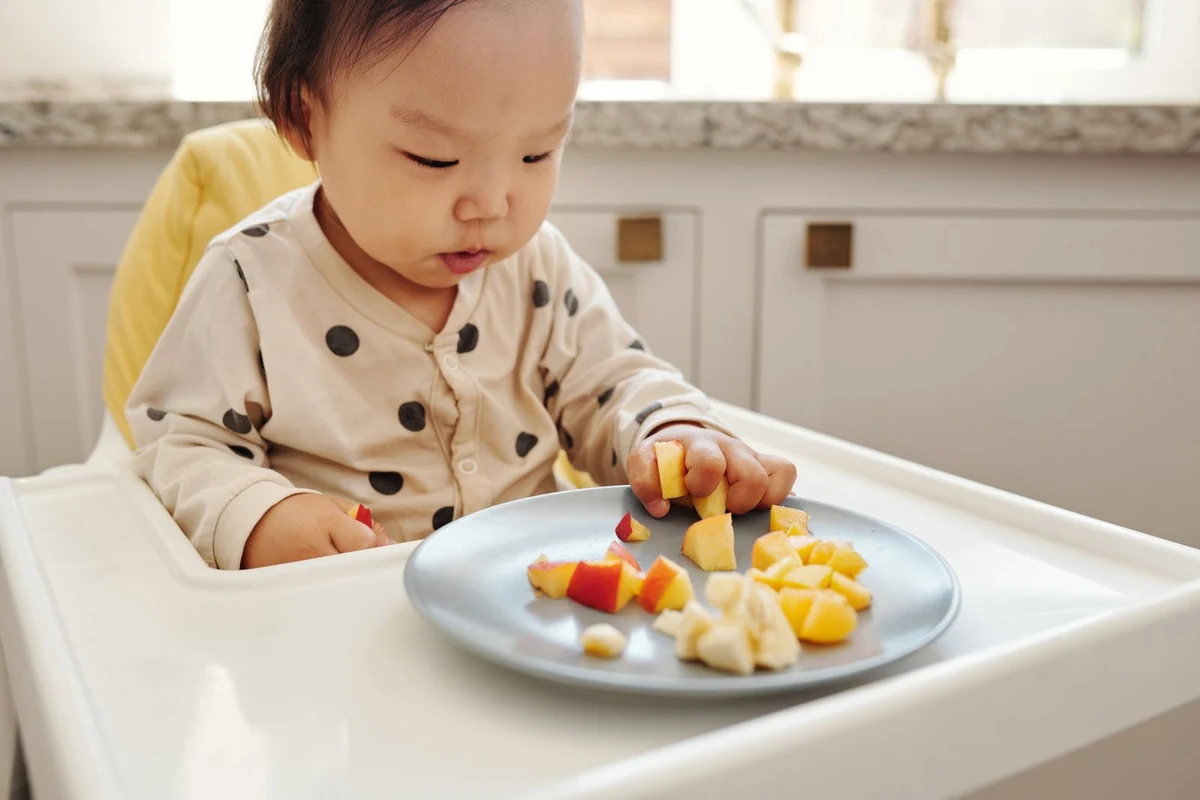
21 Ideas Built Around a Safe Food
Every meal below follows the same pattern, so these toddler meals for picky eaters safe food ideas stay easy to repeat on busy nights: the safe food first, one familiar food beside it, and one small new food to meet. Pick the safe food your child trusts, and start with the group that matches it.
- Butter pasta with peas. Plain pasta is the safe food; add a small spoonful of peas on the side and let your child sprinkle their own parmesan on top.
- Pasta with sauce to dip. Keep the pasta plain and put a little tomato sauce in a small pot beside it, so your child can dip instead of finding their pasta already covered.
- Mac and cheese with cauliflower. Mac and cheese is the safe food; stir in three or four soft cauliflower florets, small enough to pick out, big enough to notice.
- Pasta shapes with chicken fingers. Pasta is the safe food; add one chicken strip cut into fingers and a little pot of ketchup for dipping.
- Plain rice with scrambled egg. Rice is the safe food; serve scrambled egg on the side with a spoonful of peas your child already knows.
- Rice with beans and cheese. Rice is the safe food; add three or four soft kidney beans and a little grated cheese to melt on top.
- Toast soldiers with a boiled egg. Toast is the safe food; serve a soft-boiled egg to dip into, with cucumber sticks on the side of the plate.
- Pitta strips with hummus. Pitta is the safe food; add hummus for dipping and two or three soft carrot sticks to try.
- Chicken nuggets with sweet potato wedges. Nuggets are the safe food; add one soft sweet potato wedge and a spoonful of peas.
- Chicken strips with corn. Chicken is the safe food; serve a small piece of corn on the cob and a cherry tomato cut lengthways.
- Fish fingers with mash and peas. Fish fingers are the safe food; add a spoonful of mash and peas, both foods your child has met before.
- Cheese omelette with toast. Egg is the safe food; melt a little cheese inside the omelette and serve with toast fingers and a tomato wedge.
- Yoghurt with berries. Yoghurt is the safe food; put two or three berries on top and a sprinkle of oats, and let your child stir them in.
- Yoghurt with banana and cinnamon. Yoghurt is the safe food; add banana slices and a tiny pinch of cinnamon for a new smell and taste.
- Cheese toastie with tomato soup. A cheese toastie is the safe food; serve a small cup of tomato soup beside it for dipping the corners.
- Cheese, crackers and apple. Cheese is the safe food; add two crackers and three thin apple slices, and let your child build their own little stack.
- Pancakes with banana. Pancakes are the safe food; serve with banana slices and a few berries on the side of the plate.
- Porridge with sliced banana. Porridge is the safe food; add banana slices and a small spoonful of raisins for your child to pick out.
- Banana with yoghurt dip. Banana is the safe food; put a little pot of yoghurt beside it for dipping, with a few oat hoops on the side.
- Jacket potato with beans and cheese. Potato is the safe food; add a spoonful of baked beans and grated cheese, and let your child mix it themselves.
- Pitta pizza faces. A cheese pitta pizza is the safe food; add pepper strips for a smile and sweetcorn for eyes, and let your child arrange the face.
If your child eats only the safe food on the first night, the meal still worked. They sat at the table, they saw the new food, and they went to bed with a full tummy. Try the same meal again in a few days, with the new food in a slightly different place on the plate. Small changes, repeated calmly, are how picky eaters slowly widen what they will eat.
When They Refuse Everything
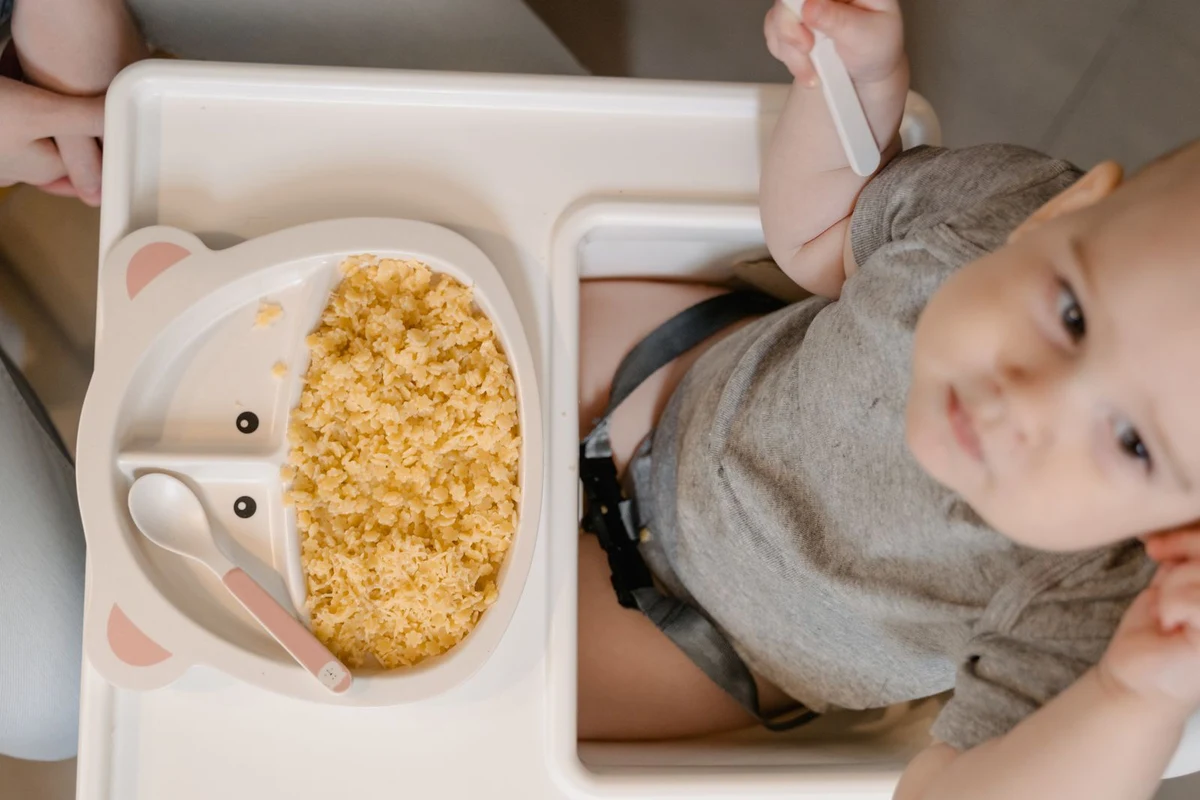
Some days your toddler will refuse the safe food too, and that is usually tiredness, a cold coming on, or a day with too many snacks. Do not turn it into a battle. Offer the plate, wait a little, and if nothing is eaten, take it away kindly and offer a plain snack an hour later, like toast or banana. The next meal is a fresh start, and one skipped dinner will not harm a healthy toddler.
Watch the snacks between meals, because they are often the real problem. A toddler who grazes on biscuits and crackers all afternoon will not be hungry at dinner, and no recipe can fix that. Keep snacks small, keep them at set times, and leave a gap of at least two hours before the next meal. Water is the best drink with meals; juice fills a small tummy fast and leaves no room for food.
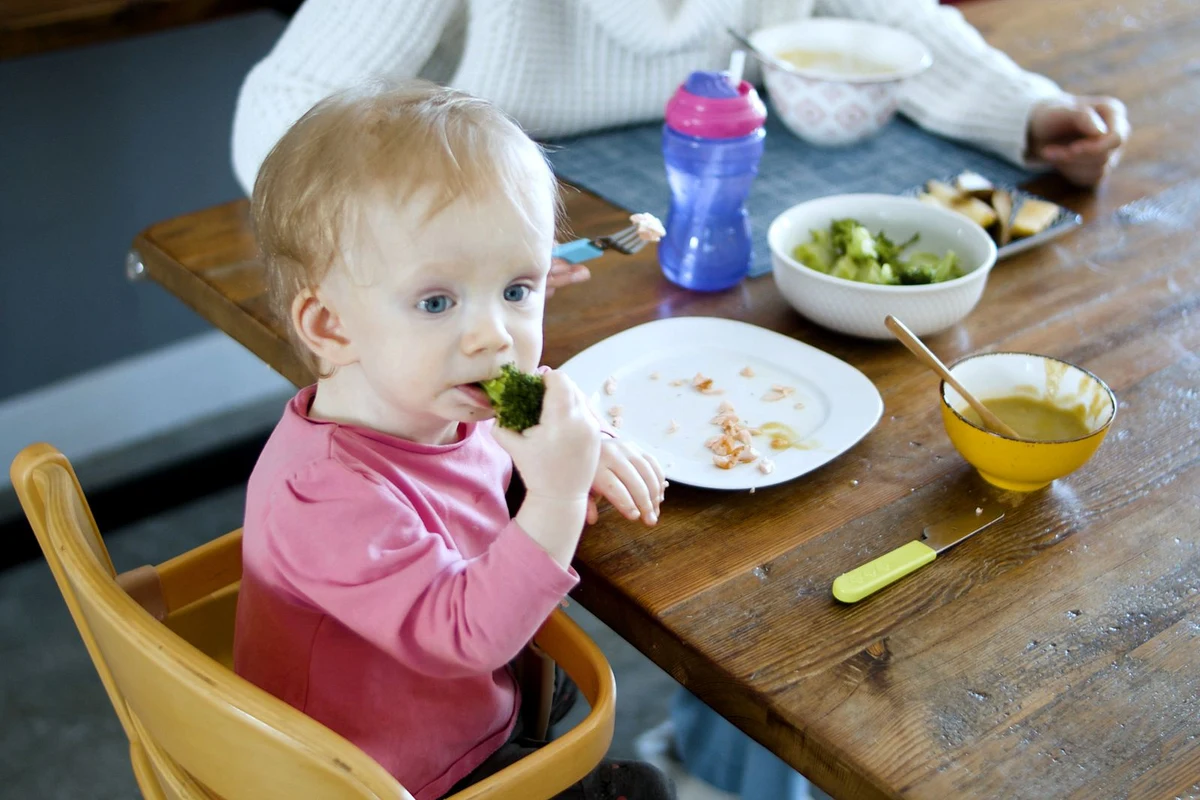
Three Things That Make Picky Eating Worse
First, bribing with pudding. “One more bite and you can have ice cream” teaches your child that dinner is a chore and pudding is the prize, and it makes the main course even less appealing next time. Serve a small pudding with the meal, or not at all, and keep the two separate.
Second, becoming a short-order cook. Cooking a different meal for your toddler every night teaches them that refusing works, and it doubles your work. Cook one meal for the family, with the safe food as part of it, and let your child eat the parts they like.
Third, forcing a bite. Holding a spoon to a child’s mouth, or insisting they taste something before they can leave the table, turns mealtimes into a power struggle that nobody wins. Your job is to choose what is served and when; your child’s job is to choose how much to eat. When both sides stick to their own job, meals get calmer within a few weeks.
Eating together helps more than any single recipe. When your toddler sees you eating the same food, enjoying it, and not making a fuss, the new food stops looking strange. For calmer mealtimes in general, our tips on getting your child to listen without yelling work at the table too, and building your child’s confidence starts with letting them try, and refuse, in their own time. The same gentle approach in our positive discipline examples applies here: clear, kind, and the same every day.
For official guidance on fussy eating, including when to seek extra help, see the NHS advice on fussy eaters.
Frequently Asked Questions
My toddler only eats beige food. Is that normal? Yes, it is very common between one and three. Beige foods feel safe because they look and taste the same every time. Keep offering one colourful food beside the beige food, without pressure, and the range usually widens on its own.
Should I hide vegetables in their food? You can, but do not rely on it alone. Hidden vegetables add nutrition, but they do not teach your child to eat vegetables. Serve the real vegetable on the plate as well, even if it is just one small piece.
How many times should I offer a food before giving up? Keep offering it, in different forms, for weeks rather than days. A food refused on Monday may be tasted on the tenth try, especially if it appears in a new shape, like grated carrot instead of carrot sticks.
What if my child refuses a whole food group, like all vegetables? Offer the foods they will eat from other groups, keep putting one vegetable on the plate, and try it cooked different ways: roasted, mashed, or raw. If you are worried about their growth or their diet, talk to your doctor or health visitor.
Is it okay to let them eat the same safe food every day? Yes, for a while. A safe food every day is better than a battle every day. Keep the safe food on the plate, keep adding one small new thing beside it, and the menu will grow without a fight.
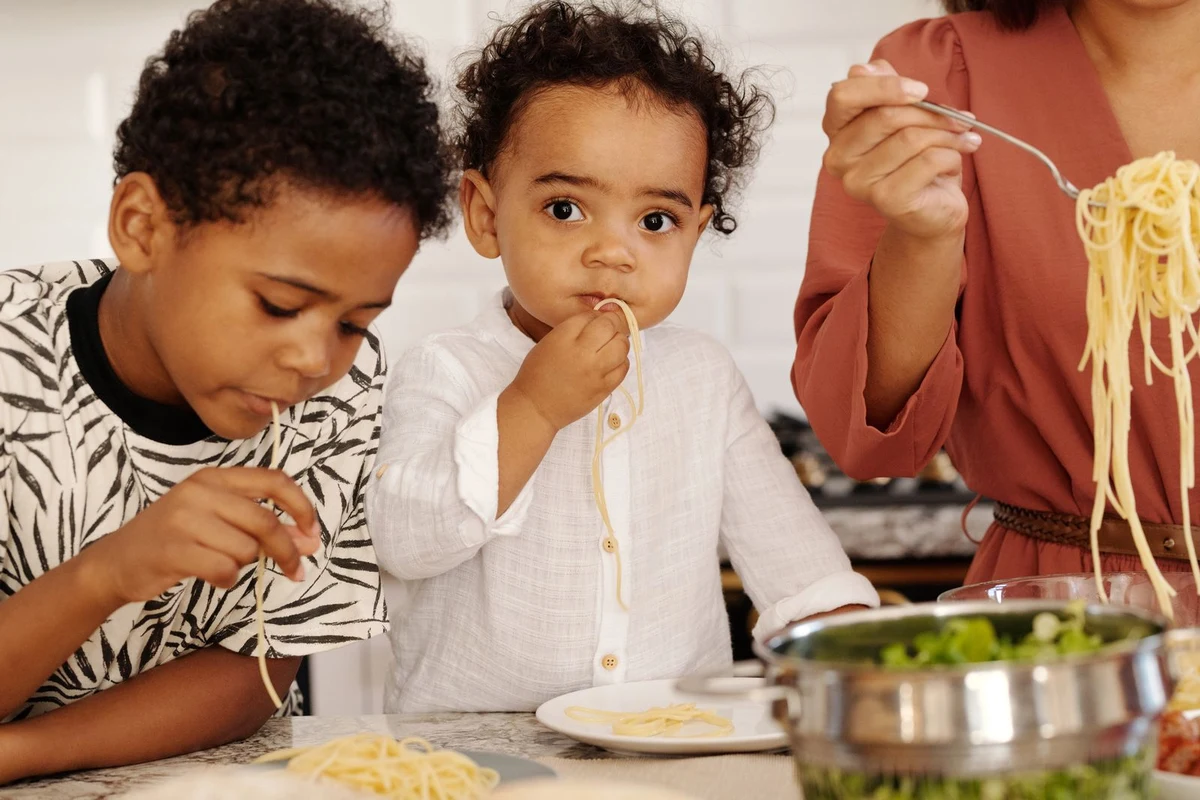
A Calmer Plate, One Meal at a Time
Picky eating feels endless when you are in it, but for most toddlers it is a phase, not a problem. The children who eat the widest range as they grow up are rarely the ones whose parents won the most dinner-table battles. They are the ones who sat at a calm table, saw the same foods again and again, and were allowed to say no without a fuss. So keep this list of toddler meals for picky eaters safe food ideas on the fridge, pick one safe food, and start tonight. One plate, one new food, no pressure, and the same again tomorrow. That is how a picky eater becomes a braver eater, one small taste at a time.
This article is general information for parents, not medical advice. Every child is different, and if you are worried about your child’s eating, growth or health, talk to your doctor or health visitor.


Leave a Reply