
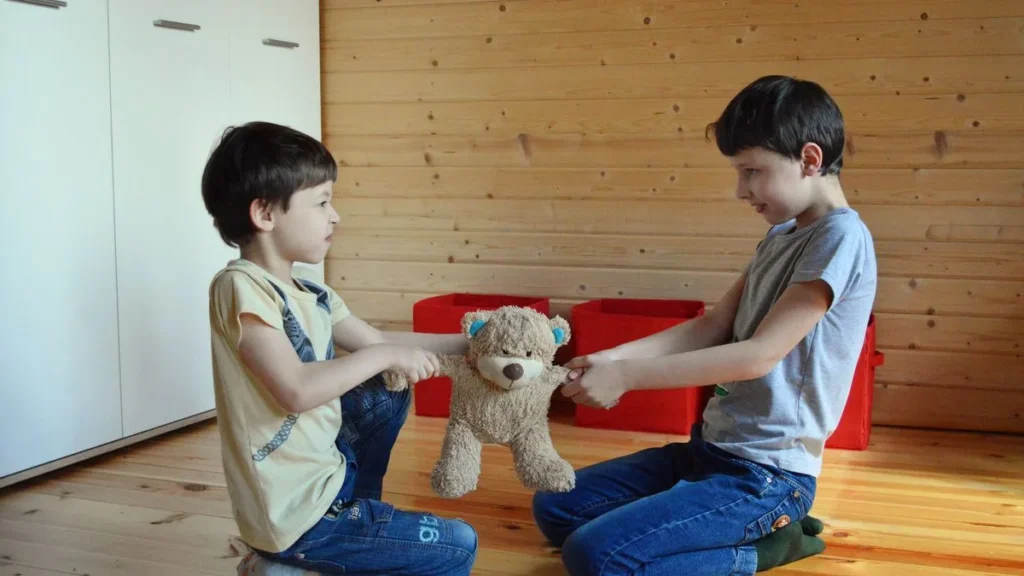
Two children. One red car. Both want it, right now, and the noise is rising fast. If this scene plays out in your home every day, you are living with sibling rivalry — and you are in very good company. Almost every family with more than one child knows the daily battles over toys, seats, snacks, and who got the bigger half of anything.
The truth may help you breathe a little easier: fights between brothers and sisters are normal. They are not a sign that your children do not love each other, or that you are doing this wrong. The goal is not to stop every fight. It is to turn the volume down, keep everyone safe, and slowly teach your children how to sort things out together.
In This Guide
Sibling Rivalry: Why It Happens
Most fights are not really about the red car. They are about something bigger underneath. Young children are competing for the thing they want most in the world: you. Your time, your lap, your eyes on them. When a brother or sister seems to get more of you, the feelings come out fast.
Fairness is another hot spot. Young children watch shares like hawks. A slightly bigger piece of cake can feel like proof that you love the other one more. Add tiredness, hunger, a small age gap, or two strong little characters in one room, and sparks are bound to fly.
None of this means the fighting is fine to ignore. It means the fighting has roots you can work with. KidsHealth’s guide for parents explains the common causes in more depth, and why this stage is such a normal part of family life.
What to Do When a Fight Starts
In the heat of the moment, your job is simple: safety first, lessons later. Try this order:
- Step in calmly. Your calm voice sets the tone. If there is hitting or pushing, move in and stop it kindly and firmly: “I will not let you hit.”
- Do not play judge. “Who started it?” usually leads to more shouting. It takes two to fight, and both children need you.
- Name the feelings. “You are cross because you wanted the car. You are upset because it was taken.” Feelings that are named get smaller.
- Help them find a way out. Offer a simple fix: a timer for turns, a second toy, or a trade. Young children often just need the words handed to them.
- Move on. Once it is over, let it go. A fresh start beats a long talk for little children.
When big feelings spill into full meltdowns, the same calm approach helps — our guide to calming big feelings and tantrums shows what to do when a child is too upset to hear words at all.

Everyday Habits That Mean Fewer Fights
The best fight fix happens when nobody is fighting. A few steady habits lower the heat day by day:
- Set a few clear house rules. “We do not hit. We do not grab. We use words.” Say them often on good days, not just bad ones.
- Notice the kind moments. When your children share, wait, or play well, say it out loud: “You gave your sister a turn. That was kind.” Children repeat what gets noticed.
- Never compare. “Why can’t you be good like your brother?” pours fuel on the fire. Talk to each child about their own actions only.
- Give each child a bit of space. A box of “mine only” toys that do not have to be shared can save many battles. Everything else in the house can be for turns.
- Keep the day steady. Hungry, tired children fight more. Regular meals, rest, and calmer family evenings cut the number of flash points in a day.
One-on-One Time Works Wonders
Here is the quiet secret that helps more than any rule: time alone with you. When a child feels full of your love and attention, there is less to fight a sibling for.
It does not need to be big. Ten minutes of drawing with one child while the other naps. A walk to the shop with just one. A story in bed, just the two of you. Small pockets, most days, beat one big trip each month. Many parents find the fighting drops within a week or two of starting this habit.
When a New Baby Joins the Family
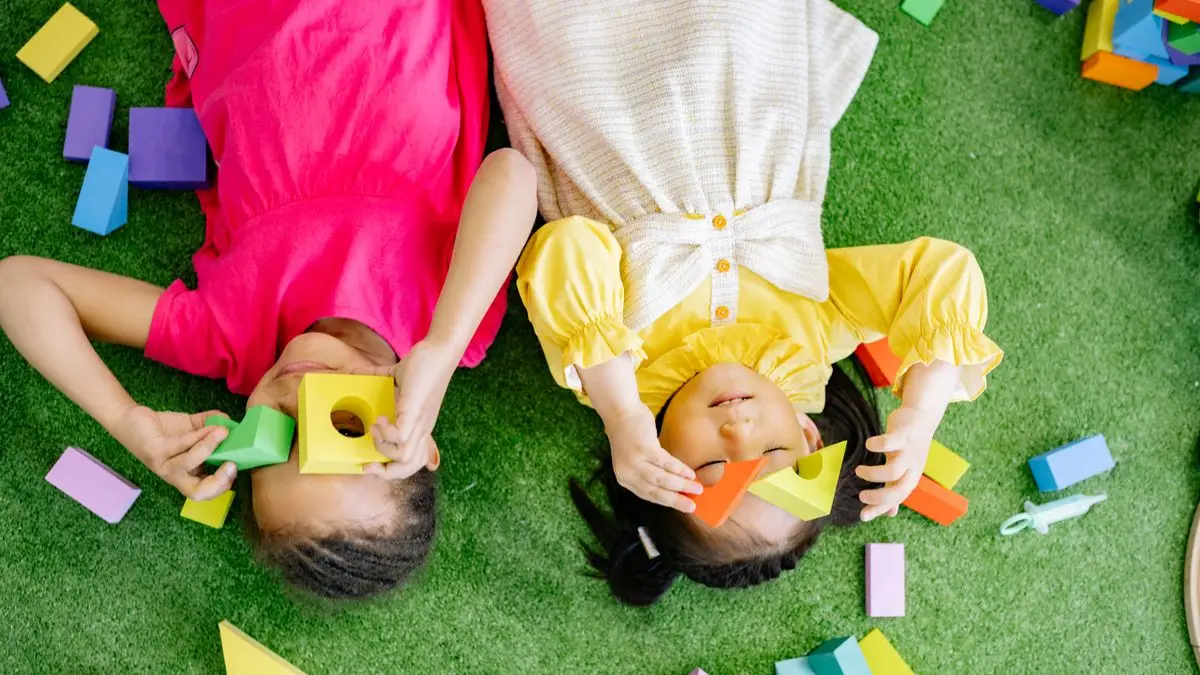
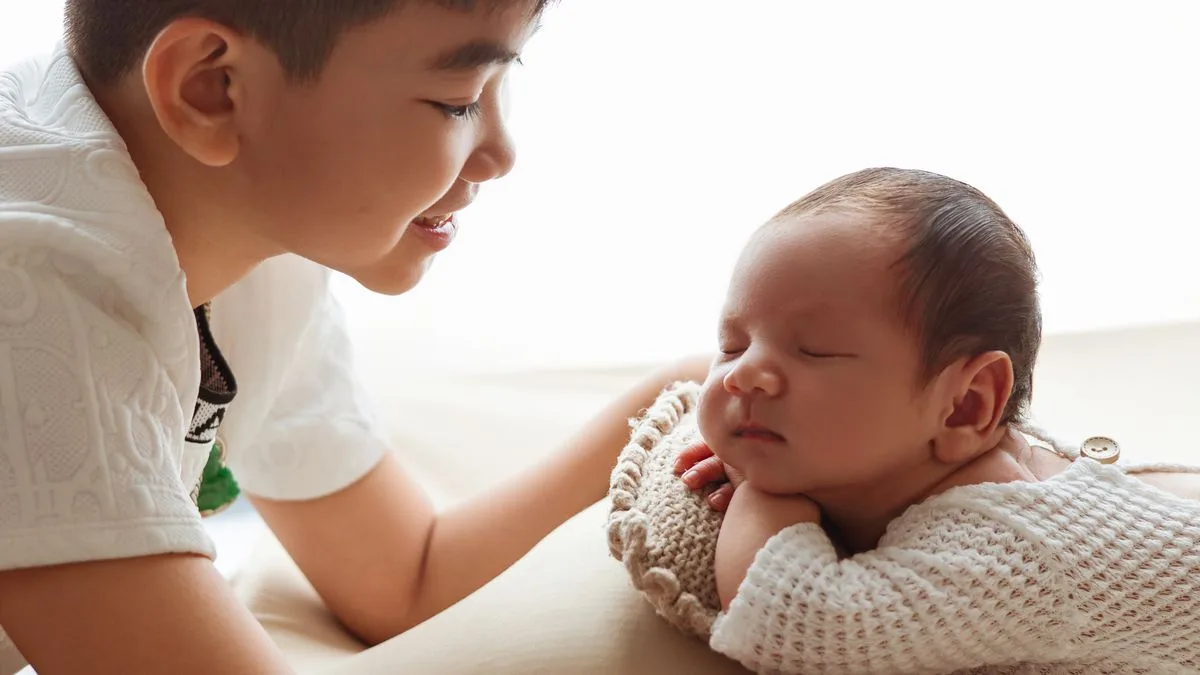
A new baby sibling is one of the biggest rivalry triggers there is. Your older child has shared you from day one — and now this tiny person seems to take you all the time. Wobbles are normal. Some children go back to baby ways for a while: wanting a bottle, wetting pants again, or needing to be carried everywhere.
A few things help. Let your older child be part of it: fetching nappies, picking the baby’s socks, showing the baby their toys. Keep some of their old routines safe, like the same bedtime story in the same chair. Talk about the hard part out loud: “It is hard to wait when the baby needs feeding. I get it.”
And lean on the one-on-one habit most of all in these weeks. Even five minutes of “just us” time tells your older child the most important thing: there is still plenty of you to go around.

Frequently Asked Questions
Is it normal for siblings to fight every day?
Yes. Daily small fights are normal in most families with young children. What matters is that fights stay safe, end fairly quickly, and sit alongside plenty of good moments together.
Should I always step in when my kids fight?
Not always. Small squabbles over turns are a chance for children to practice sorting things out. Step in if someone may get hurt, if one child is always losing, or if the noise keeps rising instead of falling.
Why is my older child acting like a baby again?
This is very common when a new baby arrives, and it can happen at other stressful times too. Your child is asking, in their own way, if they still get to be looked after. Give the cuddles they ask for — the stage passes.
How do I stop one child from always giving in?
Some children are peacemakers, and that is a sweet trait. Make sure their voice is heard too: ask them directly what they want, and make sure turns and treats land fairly, not just with the loudest child.
When should I worry about sibling fights?
Talk to your doctor or health visitor if one child is often hurt, seems scared of their sibling, or if the fighting is full of real anger most of the time. Trust your gut — you know your children.
The Bottom Line
Sibling rivalry will not vanish in a week, and it does not need to. With calm steps in the moment, kind habits on the good days, and a little one-on-one time for each child, the fights get fewer, shorter, and softer. One day you will look up and see your two former fighters building a tower together, deep in their own game. That moment is built in these small, ordinary days.

Leave a Reply